New Moon vs Full Moon: Rituals, Meaning, and Timing
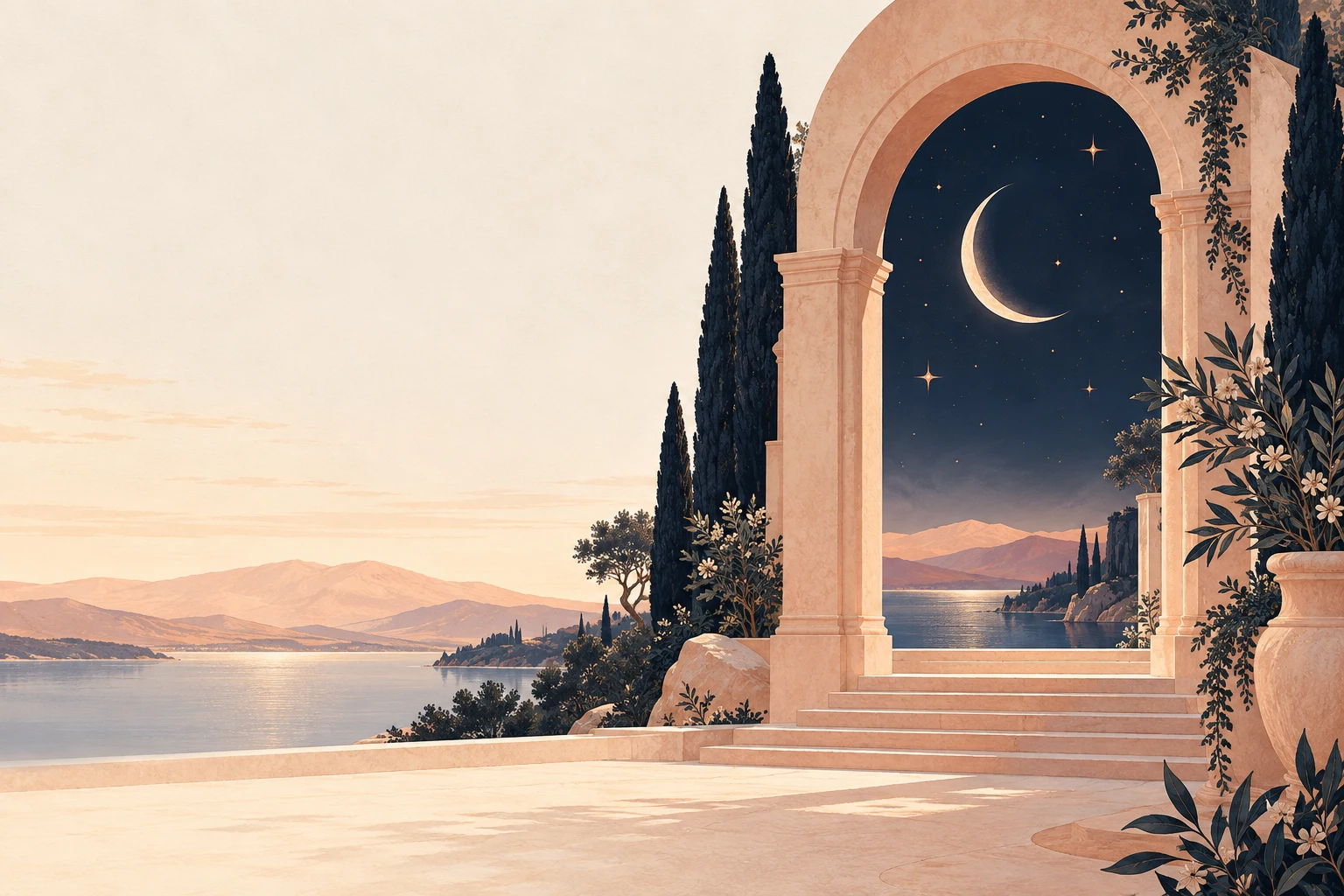
Understanding the difference between the new moon vs full moon comes down to the natural rhythm of initiation and culmination. While the new moon marks an introspective beginning suited for setting quiet intentions, the full moon represents peak illumination, celebration, and active release. By aligning your spiritual practice with these opposing lunar phases, you can work harmoniously with cyclical time rather than against it.
The Core Differences: New Moon vs Full Moon
In traditional astrology and folklore, the lunar journey is divided into two distinct energetic halves that mirror the breath. The debate of new moon vs full moon centers on where you stand in that ongoing cycle. The new moon represents the quiet pause before the inhale, a time when the night sky is completely dark and the Moon hides between the Earth and the Sun. Practitioners describe this moment as fertile void, an ideal period to rest, conserve vital strength, and clarify inner desires before acting upon them in the material world.
Conversely, the full moon corresponds to the absolute peak of the breath, when the lungs are full and vitality reaches an outward limit. Because the lunar surface catches direct solar rays, the night is bathed in silvery brightness. In symbolic systems, light exposes what was formerly obscured by darkness. Where the new moon asks you to cultivate private dreams, the full moon asks you to step into visibility, recognize your growth, and address whatever is demanding immediate attention.
Viewing these two moments as dynamic partners rather than competing forces transforms how you approach ritual timing. You cannot harvest what has never been planted, nor can you plant continuously without clearing room for new crops. By honoring both the dark retreat of the new moon and the vibrant revelation of the full moon, your spiritual habits mirror the balanced rhythm of the natural world.
Cosmic Mechanics: Conjunctions and Oppositions
To appreciate the symbolic depth of each phase, it helps to understand their astronomical underpinnings. An astrological new moon occurs when the Sun and Moon form an exact conjunction, occupying the very same degree of the zodiac. In esoteric thought, the Sun governs conscious identity, willpower, and outward vitality, while the Moon rules instinct, emotional safety, and subconscious memory. When they unite, conscious intention and emotional needs blend into a focused, unified starting point.
A full moon, on the other hand, takes place when the Sun and Moon arrive at an exact 180-degree opposition across the celestial wheel. This astronomical posture places the two luminaries in contrasting, complementary zodiac signs, such as pragmatic Taurus opposing passionate Scorpio. Practitioners often note that this structural polarization can generate creative tension, prompting people to reconcile their public ambitions with private emotional demands.
Because opposing signs share common thematic territory through different modalities, full moons frequently spotlight relationship dynamics, unresolved habits, or underlying conflicts. The Sun casts its light directly across the void, illuminating the Moon fully from our vantage point on Earth. This geometrical alignment makes the full moon a symbolic mirror, reflecting truths that might remain unnoticed during the more subdued periods of the month.
New Moon Meanings and Intention-Setting Rituals
Historically, the new moon has been treated as a sacred threshold for fresh starts. Because the sky offers no ambient light, our attention naturally shifts inward toward personal contemplation. Many practitioners recommend treating this phase as a time of quiet planning rather than aggressive action. It provides a clean psychological slate where you can examine personal values, clarify heartfelt ambitions, and decide which projects deserve your devotion over the coming weeks.
A traditional new moon ritual often involves candle gazing, journaling, and focused visualization. You might begin by grounding yourself in a quiet room, lighting a single white or neutral candle to signify the return of light, and writing down specific intentions in a dedicated notebook. Formulate your wishes in the present tense, focusing on feelings of alignment and emotional purpose. Some readers like to draw a single Tarot card to act as an anchor or theme for the upcoming lunar cycle.
Consider asking yourself reflective questions during this dark phase to unlock hidden clarity. What seeds am I ready to plant in the dark soil of my life? Which quiet dreams require patient nurturing before they can be shown to the world? What burdens must I step away from so my focus remains steady? By holding these questions with curiosity, you permit new possibilities to unfold without demanding immediate, visible progress.
Full Moon Meanings and Release Rituals
If the new moon is about sowing possibilities, the full moon is about gathering the harvest and clearing away dead brush. Energetically, this phase is expansive, social, and emotionally charged. Many traditions connect the bright moonlight with heightened intuition and profound creative expression. It is a moment to celebrate the milestones you have reached, acknowledge how far your endeavors have traveled, and express authentic gratitude for your ongoing journey.
Alongside celebration, release work forms the cornerstone of traditional full moon practice. Because the lunar light exposes hidden truths, it reveals behaviors, self-limiting stories, or outworn ties that inhibit your well-being. A common practice involves writing down specific habits or lingering resentments on a piece of paper, sitting in quiet contemplation, and safely burning the paper in a fireproof vessel. The act serves as an evocative mental commitment to let go of old weights.
Cleansing objects under the moonlight is another time-honored custom. Practitioners frequently place Tarot decks, journals, and cherished talismans on an outdoor windowsill to bathe in the lunar glow. As you perform these steps, reflect on what has reached its natural conclusion. Ask yourself: What emotional patterns have outlived their usefulness? What truths have come to light that I can no longer avoid? Releasing during this phase makes room for the cycle to turn anew.
Practical Guidance for Choosing Your Timing
Selecting between these two powerful phases depends entirely on what your current circumstances require. If you are experiencing exhaustion, burnout, or a sense of directionless drift, attempting a high-energy full moon ceremony can feel jarring and overwhelming. In such moments, the restful, restorative quality of the new moon provides the gentle sanctuary you need. Seek the new moon when you want to outline plans, open personal journals, or establish modest initial habits.
Conversely, if you feel stagnant, frustrated, or weighed down by unexpressed feelings, working with the full moon can assist in breaking through emotional barriers. The heightened illumination supports honest evaluations and communal gatherings. Choose the full moon when you are prepared to wrap up ongoing work, cut energetic chords with past grievances, or step onto an open stage to showcase your creative efforts.
Remember that spiritual work remains fundamentally non-dogmatic and deeply personal. Divination tools and lunar observation exist to support your own self-reflection rather than to impose strict, unyielding laws. If an intention arises spontaneously mid-cycle, honor that impulse. Use the lunar calendar as a flexible, supportive framework that enriches your self-awareness rather than an inflexible rulebook that governs your daily life.
Harmonizing the Cycle: The New Moon vs Full Moon Balance
Mastering lunar work does not mean favoring one extreme over the other; it requires appreciating how each phase creates the necessary conditions for its counterpart. In the dynamic of new moon vs full moon, neither possesses greater spiritual value than the other. The quiet, hidden germination of the new moon directly fuels the magnificent blossoming witnessed beneath the full moon. Without the restful dark, brightness burns out; without the illuminating peak, darkness becomes dormant stagnation.
A fruitful approach is to track a single intention through its full development. Notice what you begin during a specific new moon, and observe how that theme develops six months later when the corresponding full moon occurs in that same astrological sign. This wider perspective cultivates patience, reminding you that deep personal transformation rarely occurs overnight. Cyclical timing offers reassurance that periods of fallow rest are just as productive as seasons of harvest.
As you navigate your spiritual journey, let the Moon serve as an enduring cosmic companion. When the sky turns completely dark, embrace permission to rest, dream, and wait in peaceful anticipation. When the sky shines bright with silver fire, celebrate your resilience, release past attachments, and dance in the light. Honoring both phases allows you to cultivate a sustainable, deeply nourishing personal practice.
Frequently asked questions
Can I manifest during a full moon?
While you can focus your mind during any lunar phase, traditional practitioners generally reserve active manifestation for the waxing cycle and the new moon. The full moon represents illumination and culmination, making it symbolically better suited for gratitude, celebrating accomplishments, and letting go of emotional blocks rather than initiating fresh projects.
What is the dark moon and how does it differ from a new moon?
The dark moon refers to the final two to three days before the astronomical new moon, when the Moon is entirely invisible in the sky. Traditionally associated with the waning crescent, it is viewed as a period of absolute stillness, psychic rest, and psychic clearing, whereas the new moon marks the precise astronomical point of renewal.
How long do the energies of the new moon and full moon last?
Although the exact astronomical moment lasts only an instant, practitioners traditionally consider the operational window to span roughly forty-eight hours. Most people perform their personal rituals within twenty-four hours before or after the exact peak to work with the concentrated symbolism of the phase without feeling rushed.
Do I need to see the Moon outside for my ritual to work?
You do not need clear skies or a direct view of the Moon to perform spiritual work. In astrological tradition, the energetic connection and symbolic alignments exist regardless of cloud cover, weather conditions, or indoor settings. Intention, mental presence, and quiet personal reflection remain the central components of any ritual.