How to Make Full Moon Water: A Step-by-Step Guide
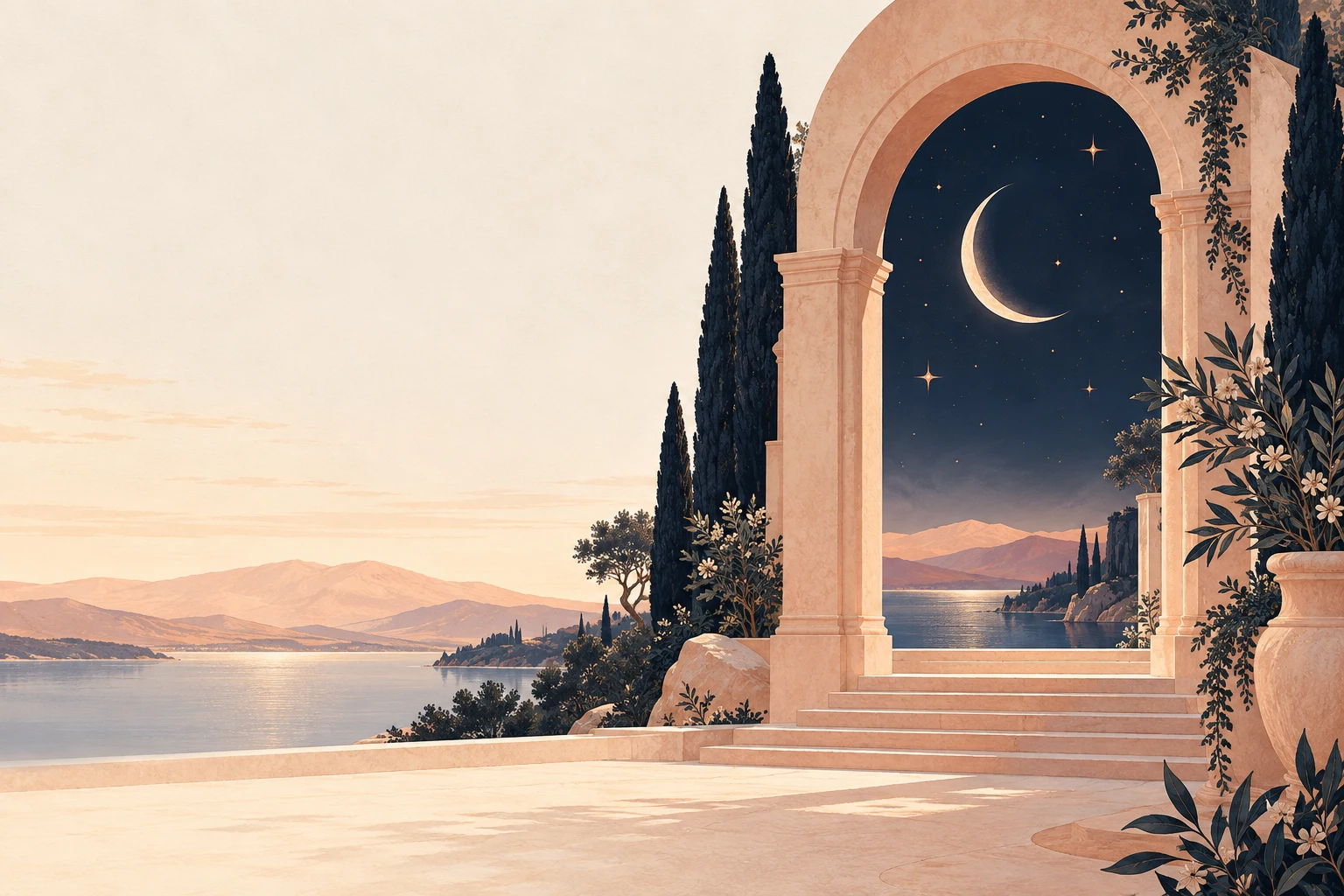
Learning how to make full moon water involves placing clean water in a sealed glass container under the overnight light of the Full Moon to absorb lunar symbolism. Practitioners traditionally prepare this water to harness themes of completion, illumination, and emotional clarity for rituals, plant care, and personal mindfulness. With a mindful setup and simple safety precautions, anyone can craft this versatile spiritual tool at home.
What Is Full Moon Water and How Does It Work?
Full moon water is water that has been exposed to the direct illumination of the Full Moon, conceptually capturing the cyclical peak of the lunar cycle. In astrological tradition, the Moon governs our emotional landscape, intuition, and subconscious patterns, reaching its greatest visual potency when directly opposite the Sun. Modern practitioners view this water as a physical anchor for contemplation, representing illumination and culmination. It serves as an accessible ritual medium that bridges external celestial rhythms with internal personal growth, offering an intentional pause during an energetic high point of the month.
Divination systems and esoteric philosophies have long regarded water as the primary element of receptive wisdom, adaptability, and psychic receptivity. In Tarot, water aligns with the suit of Cups, speaking to feelings, memory, and spiritual connection. Because water naturally mirrors its environment, folklore holds that it absorbs the energetic essence of whatever surrounds it. Charging water beneath the night sky does not alter its physical chemistry, but it transforms the vessel into a potent psychological and symbolic talisman that honors personal evolution and rhythmic self-care.
Practitioners often prepare lunar water during different phases of the Moon, yet the Full Moon remains the most celebrated due to its bright clarity. While the New Moon favors quiet planting of seeds, the Full Moon reveals what has reached maturity. Preparing this water allows individuals to consciously acknowledge what has blossomed in their lives over the prior two weeks. Whether approached through deep ceremonial practice or quiet personal curiosity, the process provides an opportunity to align personal habits with nature's broader cycles.
Essential Supplies for Charging Lunar Water
Creating lunar water requires only a few basic household items, but thoughtful preparation ensures the resulting blend remains clean and safe. Select a transparent glass jar, bottle, or bowl rather than plastic, which can degrade or leach chemicals when exposed to temperature changes. Clear glass permits ambient moonlight to penetrate the container completely without obstruction. Ensure your container has an airtight glass or metal lid to prevent night-falling insects, airborne dust, outdoor debris, and ambient moisture from contaminating the water during its nocturnal rest.
The quality of your water depends entirely on how you intend to use the finished product. If you plan to drink your moon water or brew tea with it, use fresh, potable filtered water or bottled spring water from a verified source. Never collect rainwater, wild stream water, or tap water from questionable plumbing for internal consumption, as moonlight does not purify biological contaminants. If your moon water is meant solely for altar dressings, floor washes, or misting houseplants, clean tap water serves the purpose wonderfully.
Safety must remain paramount when incorporating crystals or botanical enhancements into your setup. Many popular stones, including selenite, malachite, hematite, and pyrite, can dissolve, rust, or release toxic heavy metals into standing water. To maintain absolute physical safety, place any coordinating crystals outside and around the perimeter of the sealed jar rather than dropping them inside the liquid. This indirect charging method safeguards your health while preserving the symbolic synergy between mineral properties, watery reflection, and lunar illumination.
How to Make Full Moon Water Safely
To begin, clean your glass vessel thoroughly with warm water and soap, drying it with a clean towel. Fill the jar with your chosen potable or distilled water, leaving an inch of space below the rim to accommodate expansion in cold weather. Seal the jar tightly with its lid. Before taking the container outside, hold it between both hands for a moment of quiet focus. Consider an intention that aligns with release, clarity, or gratitude, visualizing your intention being sealed into the liquid like a steady light.
Place your container in a location where it can receive direct overnight moonlight. An outdoor patio table, garden bench, or porch railing works well if weather permits. If you live in an urban apartment or lack safe outdoor space, a clear windowsill facing east or south offers an equally suitable environment. Esoteric tradition holds that moonlight penetrates glass and atmosphere alike, meaning indirect exposure still honors the symbolic connection. Set your surrounding crystals, such as clear quartz or moonstone, safely around the jar base.
Leave the vessel undisturbed for several hours during the peak of the night. It is traditional practice to retrieve your water at dawn before direct sunlight strikes the glass, as the Sun carries an opposing, projective solar energy. Bring your jar indoors, label the container with the date and current astrological sign, and store it thoughtfully. By learning how to make full moon water with deliberate care, you establish a reliable monthly touchstone that anchors your regular mindfulness and spiritual practices.
Astrological Timing and Zodiac Sign Influences
Each Full Moon occurs in a specific astrological sign, imbuing the evening with distinct thematic overtones. In astrology, the Moon reflects the qualities of the zodiac sign it currently traverses, offering varied focuses for personal introspection. For instance, a Full Moon in Aries encourages bold breakthroughs and decisive action, while a Full Moon in Libra centers on relational equilibrium and artistic harmony. Tracking the zodiac calendar allows practitioners to customize their intentions to harmonize with prevailing cosmic themes.
Elemental correspondences offer another layer of insight when planning your ritual. When the Moon resides in a Water sign like Cancer, Scorpio, or Pisces, themes of emotional healing, deep intuition, and psychic introspection come to the forefront. Earth sign moons in Taurus, Virgo, or Capricorn emphasize grounding, financial stability, and body wellness. Air signs emphasize intellect, social connection, and communication, whereas Fire signs highlight vitality, creative expression, and passionate projects. Aligning your focus with these elemental motifs enriches your self-reflection.
Many people wonder if cloud cover or storms diminish the ritual's validity. Astrologically and symbolically, the presence of clouds or rain does not negate the Moon's orbital position or gravitational pull on the Earth. Just as the tides respond reliably to the lunar pull regardless of overcast skies, your water remains connected to the celestial cycle. Focus your attention on the underlying rhythm rather than visual perfection, knowing that symbolic intention remains constant even when atmospheric conditions obscure direct moonlight.
Practical and Ritual Uses for Full Moon Water
Once your lunar water is charged and labeled, numerous avenues exist to weave it into everyday life. An accessible method is adding a cup of the water to a warm evening bath alongside Epsom salts and gentle essential oils. As you soak, contemplate releasing lingering tension and washing away expired emotional burdens. Many practitioners find this ritual grounding, using the soothing physical sensation of water to reaffirm boundaries and close out an intense month with gratitude and quiet reflection.
You can also incorporate moon water into the physical care of your living environment. Transfer a portion into a clean spray bottle to create a refreshing room mist, perhaps adding a drop of lavender or frankincense for atmosphere. Use it to gently wipe down your altar surfaces, mirrors, or sacred objects. Misting your houseplants with lunar water is another favored custom, symbolically sharing the restorative light of the natural world with your living indoor garden while tending to their biological thirst.
For divination practitioners, moon water provides a versatile companion for maintaining ritual tools. You can dip a clean cloth into the water to carefully wipe crystal spheres, or use a tiny bowl of it on your altar to represent the reflective realm during Tarot readings. If prepared with pristine drinking water, you might sip a spoonful mindfully while journaling your current aspirations, or use it to brew an herbal infusion like chamomile, physically internalizing your calm, focused intentions.
Best Practices for Storing and Preserving Your Water
Proper storage ensures your lunar water maintains its clarity and remains energetically resonant over time. Keep your sealed glass bottle in a cool, dark cabinet or dedicated altar drawer away from direct heat and morning sunshine. Prolonged exposure to sunlight can warm the water and encourage microscopic algae development if contaminants were introduced. An opaque amber or cobalt glass bottle provides superior protection if you intend to preserve your preparation for several weeks or months between seasonal rituals.
Pay close attention to shelf life based on how you intend to consume or utilize the liquid. If you plan to ingest the water in herbal teas or morning tonics, consume it within forty-eight hours to ensure freshness, just as you would with any unsealed drinking water. For external, ritual, or cosmetic uses, clean water kept in an airtight container can last up to one month without spoiling. Always inspect the water for cloudiness, scent changes, or sediment before every application.
When you are ready to retire old lunar water, return it respectfully to the earth rather than washing it down an indoor drain. Pouring the water around the base of a favorite tree, outdoor shrub, or outdoor flowerbed completes the natural cycle, returning moisture to the living soil. Understanding how to make full moon water and steward it responsibly ensures your spiritual practices remain safe, deeply grounded, and intimately aligned with the cyclical wisdom of the natural world.
Frequently asked questions
Can you make moon water if it is cloudy or raining?
Yes, you can make moon water on cloudy or rainy nights. In astrological tradition, the energetic influence and gravitational pull of the Full Moon remain present regardless of cloud cover or precipitation. As long as your sealed jar sits beneath the open sky or on a windowsill during the moon's peak hours, the symbolic transmission remains effective.
What happens if full moon water touches direct sunlight?
Traditionally, moon water is gathered before dawn because direct sunlight introduces solar energy, which represents active, projective force rather than receptive, reflective lunar power. If morning sunlight touches your jar, the water remains physically safe and usable, though many practitioners prefer to reserve it for balancing practices or prepare a fresh batch during the next Full Moon.
Is full moon water safe to drink?
Full moon water is only safe to drink if prepared with potable, fresh drinking water in a sterile, food-safe glass jar with an airtight lid. Never drink water that has had crystals soaked directly inside it, as many minerals release toxic compounds. When in doubt, reserve your lunar water for external rituals, bath additions, floor washes, or plant hydration.
How long does full moon water last before expiring?
If intended for drinking, consume moon water within two to three days to maintain hygiene and safety. For external rituals, altar use, or cleaning solutions, tightly sealed moon water stored in a cool, dark cabinet can last up to one month. If the water appears cloudy, develops an odor, or contains sediment, immediately discard it outdoors into the earth.