A Complete 12 Month Tarot Spread 2027 Guide
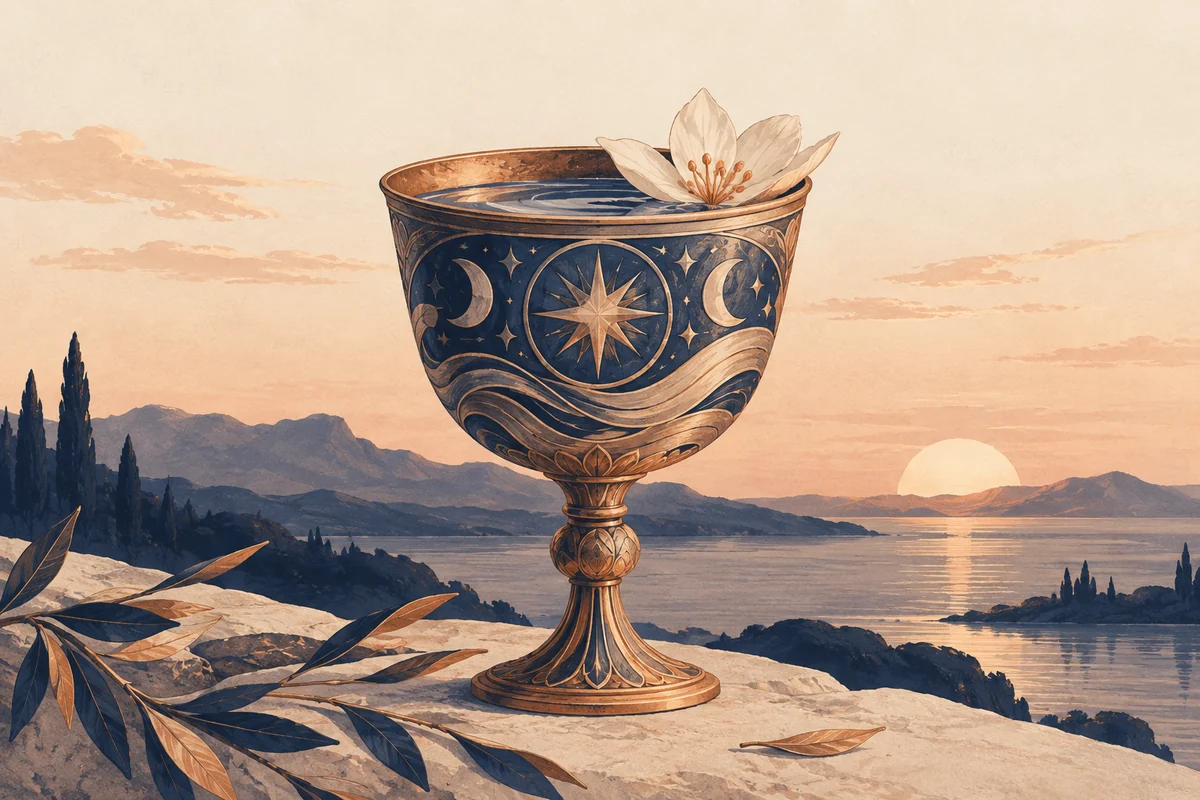
A 12 month tarot spread 2027 provides a reflective roadmap of archetypal themes, emotional currents, and developmental lessons for each calendar month of the year ahead. Rather than forecasting concrete events, this year-ahead layout uses the symbolism of the Rider-Waite-Smith system to highlight focal points for personal contemplation from January through December. By examining the distribution of suits, numbers, and Major Arcana across the months, readers can approach the upcoming year with intentional awareness and clarity.
Understanding the Year-Ahead Layout
A year-ahead reading is one of the most enduring practices in modern secular and spiritual cartomancy. Many readers sit down toward the end of December or early January to pull cards for the upcoming twelve months, creating an overarching visual narrative for the cycle. In the tradition of reflective Tarot, the cards drawn do not signify preordained milestones or external guarantees. Instead, practitioners describe each card as a mirror reflecting underlying psychological attitudes, personal priorities, and seasonal rhythms that deserve mindful attention throughout 2027.
The standard structure pairs one card with each month of the calendar year, moving chronologically from January to December. Some readers prefer to draw an additional thirteenth card as an overarching anchor or central thematic guide for the entire year. By treating the layout as an invitation to conscious living, you allow the imagery of the Rider-Waite-Smith deck to prompt productive questions. You might explore what habits require renewal, how your creative energy fluctuates, or where you need deeper emotional boundaries as the year unfolds.
How to Lay Out the 12 Month Tarot Spread 2027
To perform your 12 month tarot spread 2027, begin by setting aside dedicated time in a quiet space free from distraction. Take several grounding breaths while shuffling your deck, holding an open intention to explore your personal growth over the coming year. When your deck feels thoroughly randomized, you can lay the cards face down in one of two traditional arrangements: a progressive horizontal line of twelve cards or a circular clock layout where card one sits at one o'clock or the traditional starting point.
In a circular arrangement, placing card one at the top or at the nine o'clock position evokes the natural turning of the calendar wheel. Turn each card face up one at a time, moving sequentially from January through December, noting your immediate visceral responses to the imagery. Keep a notebook beside your spread to record the name of each card and your initial thoughts. Taking a high-resolution photograph of your full layout preserves the complete visual context for your end-of-month reviews throughout 2027.
If you decide to draw a thirteenth card, position it directly in the center of the circle or above the linear sequence. This central card represents your core evolutionary thesis for 2027, acting as an interpretive lens through which each individual month can be understood. For example, if The Hermit occupies the center, your monthly cards will largely explore themes of inner wisdom, solitude, and intentional study, even during outwardly dynamic seasons.
Mapping the Archetypes from January Through December
Reading the cards sequentially from January to December helps you observe how internal themes develop across the four seasons. The winter months of January, February, and March often reflect moments of initial planning, quiet incubation, and deliberate goal setting. If a reflective card such as the Four of Swords appears in January, it encourages mental restoration after the busy holiday season, while the Ace of Pentacles in February might suggest grounding a new practical project into tangible daily habits.
As the spread advances into the spring months of April, May, and June, observe whether the imagery becomes more expressive or outward-facing. An abundance of Wands or Cups during this quarter traditionally highlights interpersonal connection, artistic collaboration, and creative vitality. If the Three of Cups appears in May, you might consider how nurturing community ties supports your emotional wellbeing. Alternatively, an appearance of the Five of Wands reminds you to manage competing priorities without unnecessary friction.
The summer months of July, August, and September frequently highlight questions of sustainment, celebration, and mid-year adjustments. Midsummer cards invite you to assess whether your daily routines still align with the intentions you formed early in the year. If The Chariot appears in July, you might contemplate your drive and focus, whereas the Eight of Pentacles in September suggests dedicated apprenticeship, refinement of skills, and quiet perseverance as autumn approaches.
The closing quarter, encompassing October, November, and December, brings themes of harvest, integration, and closure. The cards appearing in these positions symbolize how you wrap up long-term commitments and prepare for eventual rest. A card like the Ten of Cups in November invites gratitude for relational security, while the Ten of Swords in December signals the decisive completion of an exhausting cycle, clearing mental space for the future.
Analyzing Suits, Numbers, and Major Arcana Patterns
After examining each card individually, step back to evaluate the macro patterns of your entire twelve-card array. Count how many Major Arcana cards are present compared to Minor Arcana cards. In traditional Tarot methodology, Major Arcana archetypes like The Empress, Justice, or The Sun point to overarching developmental lessons and significant shifts in perspective. A spread dominated by Major Arcana suggests a year characterized by profound inner reorganization, while a Minor Arcana concentration points to everyday practical matters.
Next, evaluate the distribution of the four suits to identify which elemental energies dominate your year. A strong presence of Pentacles highlights themes of material security, domestic life, physical health, and professional discipline. A predominance of Swords points to communication, boundary setting, and mental processing. A heavy concentration of Cups underscores emotional depth, creative intuition, and relational dynamics, whereas a multitude of Wands emphasizes enthusiasm, passion, and personal initiative.
Finally, examine the numerical progressions across your layout. Do you notice several Aces or Twos clustering in the early months, indicating fresh starts and foundational partnerships? Are there multiple Nines and Tens clustered near the end of the year, suggesting natural culminations? Identifying these mathematical echoes allows you to perceive 2027 not as a series of disconnected events, but as a coherent psychological journey with a recognizable arc.
Navigating Challenging Cards with Constructive Inquiry
Encountering traditionally intimidating cards like The Tower, Death, Three of Swords, or Five of Pentacles during a year-ahead reading can cause unnecessary anxiety if misinterpreted. In reflective Tarot practice, cards never represent literal disasters, health crises, or inevitable misfortunes. Instead, practitioners describe these archetypes as invitations to cultivate resilience, honesty, and adaptive coping strategies. Approaching complex imagery with curiosity rather than fear keeps your exploration constructive and psychologically grounded.
If The Tower appears in your spread for a particular month, frame it as an opportunity to release rigid expectations or outdated beliefs that no longer support your growth. You might ask yourself where an honest breakthrough is overdue. Similarly, Death symbolizes natural conclusions, clearance of obsolete clutter, and the quiet dignity of letting go so that new experiences can take root. The card asks what you are ready to put down with grace.
When minor challenge cards appear, such as the Five of Pentacles or Seven of Swords, view them as practical reminders to fortify your boundaries and support networks. The Five of Pentacles asks you to remember that seeking help is a strength during stressful moments, while the Seven of Swords reminds you to maintain ethical clarity and strategic focus. Reframing these cards transforms potential worry into actionable self-awareness.
Reflecting on Your 12 Month Tarot Spread 2027
The true value of a 12 month tarot spread 2027 lies in how consistently you engage with its wisdom throughout the unfolding year. Rather than packing your notes away after one reading, keep your journal accessible and revisit your designated card at the start of each new month. Take fifteen minutes on the first day of the month to sit with the card image, considering how its classic symbols intersect with your current commitments, feelings, and personal goals.
Throughout the month, use the archetype as a reflective journaling prompt. If your monthly card is Temperance, you might reflect each evening on how well you balanced work and rest, or where you practiced emotional moderation. If your card is the King of Cups, you could evaluate how calmly you navigated complex interpersonal dynamics. These regular check-ins ensure that your reading remains a living contemplative practice rather than a forgotten novelty.
At the conclusion of December, review all twelve cards alongside your journal entries to celebrate your personal evolution. You will likely discover that while the cards did not script your outer circumstances, their archetypes provided valuable language for processing change, cultivating resilience, and deepening your self-understanding. Carrying these insights forward allows you to greet every new chapter with seasoned perspective and intentional calm.
Frequently asked questions
Can a 12-month spread predict exact events for 2027?
No, Tarot cards do not predict concrete events or determine future outcomes. Practitioners describe the cards as symbolic archetypes that reflect psychological tendencies, seasonal rhythms, and personal growth areas. The spread serves as an introspective tool to help you reflect on your goals, emotional patterns, and decisions throughout the year.
What should I do if I draw an intimidating card like The Tower?
Approach intimidating cards with curiosity rather than anxiety. In traditional Tarot symbolism, The Tower represents a clearing away of rigid illusions or outmoded habits to make room for truth. Treat the card as a prompt to examine where you can embrace healthy change, practice adaptability, and let go of unnecessary tension.
Should I use reversals when laying out a year-ahead spread?
Using reversed cards is entirely a matter of reader preference. Many readers prefer using upright cards only for broad yearly overviews to keep the overarching narrative clear and focused. If you do read reversals, interpret them traditionally as internal shifts, blocked energy, or invitations to process a theme privately.
When is the best time to cast a year-ahead Tarot spread?
Most people perform a year-ahead spread during late December or early January to align with the start of the calendar year. However, you can lay out a twelve-month spread at any meaningful personal milestone, such as your birthday, a seasonal change, or the start of a major creative project.