The Devil Tarot Year Card 2027: Complete Guide
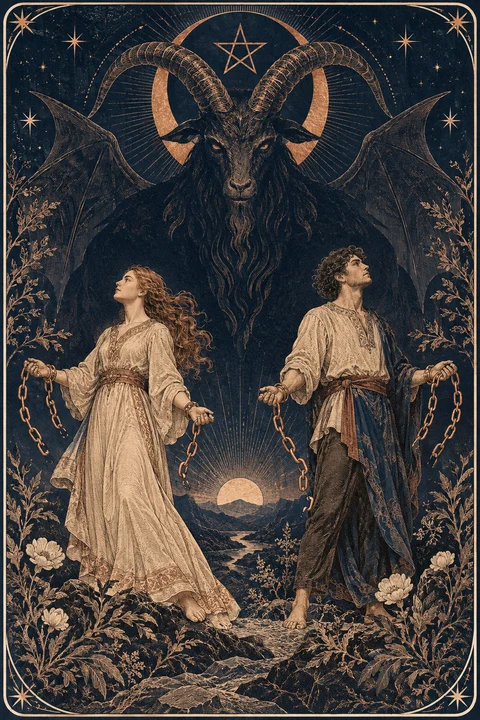
Calculating the Devil Tarot year card 2027 reveals a personal twelve-month cycle dedicated to examining attachments, personal autonomy, and unconscious habits. Arriving at Major Arcana card 15 indicates that this upcoming calendar period invites honest self-assessment regarding where you surrender your power. By viewing this archetypal card through reflective symbolism, you can transform perceived limitations into opportunities for greater independence and conscious decision-making.
Calculating Your 2027 Personal Tarot Year Card
Determining your Tarot year card for 2027 relies on a straightforward numerological formula that blends your calendar birth date with the universal vibration of the target year. To establish the universal base number for 2027, you add its four individual digits together: two plus zero plus two plus seven equals eleven. In modern calculation systems, eleven represents the master foundation that anchors every personal calculation during this specific calendar stretch.
To find your own placement, combine your numerical birth month, your calendar birth day, and the universal sum of eleven. If an individual celebrates a birthday on June 8, they add six for June, eight for the calendar day, and eleven for 2027, creating a total of twenty-five. Because standard Tarot year cards correspond strictly to the Major Arcana, any sum greater than twenty-two must be reduced by adding its individual digits together, which in this case turns twenty-five into seven.
Whenever your calculation produces fifteen, or reduces directly to fifteen from a higher sum, your journey aligns with Major Arcana card 15. For example, someone born on March 1 adds three, one, and eleven to arrive precisely at fifteen. It remains important to remember that this numerical pairing is a popular modern interpretive method developed during the late twentieth century rather than an ancient metaphysical rule, offering an imaginative mirror for personal growth rather than a fatalistic script.
Understanding Major Arcana Card 15 in Tarot Tradition
In the foundational Rider-Waite-Smith system, card 15 depicts a winged creature perched atop an altar, presiding over two figures loosely chained by their necks. While historical readers occasionally viewed this visual metaphor with apprehension, contemporary practitioners understand the illustration as an allegory for psychological bondage and voluntary limitation. The loose iron loops around the figures illustrate that the bonds holding them captive can be slipped off at any given moment through conscious awareness and intentional choice.
Astrologically, traditional esoteric systems connect card 15 with the steadfast earth sign Capricorn, an archetype associated with material structures, discipline, societal expectations, and ambition. This elemental connection reminds readers that the physical world presents tangible boundaries that require careful navigation. When worldly expectations or obsessive desires obscure inner truth, the imagery of card 15 emerges to highlight where unhealthy materialism, fear of scarcity, or rigid self-control may be restricting your natural vitality and genuine emotional expression.
Rather than representing external malevolence, card 15 symbolizes the shadows residing within human nature that demand compassionate integration. Many readers describe this card as an invitation to investigate unspoken fears, hidden desires, and unspoken agreements that quietly dictate everyday routines. Engaging thoughtfully with this card allows seekers to recognize that true freedom is not the absence of external responsibilities, but rather the internal capacity to choose one's commitments deliberately and discard unhelpful dependencies.
Themes of The Devil Tarot Year Card 2027
Stepping into a year influenced by the Devil Tarot year card 2027 places the concepts of personal sovereignty and honest self-reckoning at the center of your daily life. Throughout this period, circumstances frequently illuminate the emotional coping mechanisms, repetitive behaviors, and psychological defense systems that no longer serve your welfare. Practitioners describe this influence as a healthy diagnostic test, encouraging you to identify areas where compliance, guilt, or instant gratification have quietly displaced your authentic priorities.
Material resources, contractual obligations, and interpersonal dynamics often come under meaningful review during a card 15 annual phase. You may notice heightened awareness around how you spend your time, manage energetic commitments, and respond to professional pressures. Instead of drifting along with collective momentum, this archetypal atmosphere asks you to pause and evaluate whether your current ambitions reflect your personal moral compass or merely satisfy external standards of success.
Relational dynamics also tend to receive constructive scrutiny under this energy, inviting you to identify patterns of codependency, unspoken expectations, or unspoken resentments. When you confront these uncomfortable realities without self-judgment, the dynamic shifts from helpless entanglement toward conscious renegotiation. The core mandate of this year involves identifying where you have willingly handed your personal authority to circumstances, routines, or other people, and taking systematic steps to reclaim your voice.
Shadow Work, Habits, and Personal Agency
Engaging productively with card 15 requires embracing shadow work, which is the reflective practice of exploring repressed aspects of your character with radical honesty and gentleness. Throughout 2027, habits that once offered comfort or relief may begin to feel restrictive, heavy, or counterproductive. Whether these patterns involve overworking, compulsive digital consumption, or avoiding constructive conflict, observing them objectively allows you to comprehend the emotional need they originally attempted to satisfy.
Developing personal agency begins by recognizing that self-sabotaging behaviors often arise as protective strategies designed to prevent emotional vulnerability or disappointment. When you treat these recurring impulses with curiosity rather than shame, their compulsive power diminishes considerably. Readers suggest tracking moments of tension throughout the day, noting specific triggers that prompt automatic, defensive reactions, and consciously experimenting with healthier, measured responses that honor your well-being.
Establishing clear emotional and energetic boundaries represents another foundational focus when navigating this archetypal current. Learning to express a definitive, respectful refusal to demands that compromise your inner peace creates the psychological space required for lasting transformation. By gently releasing the need for external validation, you dismantle the invisible chains symbolized by card 15, discovering that authentic self-worth flourishes through grounded consistency and genuine self-respect.
Reflective Practices and Questions for Card 15
Structured contemplative practices can help you integrate the profound lessons of card 15 without becoming overwhelmed by its intense imagery. Journaling provides an especially grounded container for sorting through mixed emotions, conflicting desires, and longstanding beliefs. Setting aside quiet time each week to record honest observations regarding your relationship with control, power, and personal vulnerability allows gradual patterns of insight to emerge naturally across the coming year.
You might deepen your contemplation by meditating on specific, open-ended questions designed to challenge unexamined assumptions. Inquire within yourself: What recurring habits drain my vitality while providing only temporary distraction? In what areas of my life do I remain passive because taking responsibility feels intimidating? Where am I honoring social expectations at the expense of my personal authenticity, and what would happen if I peacefully released those obligations?
Complementing self-inquiry with grounded somatic awareness, such as spending time in nature or engaging in restorative movement, helps anchor these symbolic lessons into daily physical reality. Because this archetype is linked with grounded earth energy, physical balance remains essential when examining emotional attachments. Cultivating patience ensures that changes unfold deliberately, allowing you to build durable life structures that support your autonomy without swinging toward extremes of avoidance or overexertion.
Embracing The Devil Tarot Year Card 2027 with Confidence
Viewing the Devil Tarot year card 2027 through a balanced psychological lens transforms a traditionally intimidating symbol into an empowering roadmap for self-liberation. Far from indicating bad luck or inevitable struggle, card 15 serves as a mirror reflecting the hidden strength required to overcome deeply rooted limitations. When approached with curiosity and discipline, this period fosters lasting resilience, emotional maturity, and newfound confidence in your innate judgment.
Every archetype within the Tarot offers gifts along with its inherent challenges, and card 15 bestows the wisdom of conscious discernment and practical self-mastery. By learning to recognize the difference between healthy devotion and compulsive attachment, you cultivate genuine inner peace that remains stable amid changing circumstances. The loose chains depicted in traditional imagery remind you that your personal prison is largely maintained through unexamined perception rather than external reality.
As you navigate the upcoming months, carry the realization that your personal choices define your life journey far more than any card calculation. Utilizing the Devil Tarot year card 2027 as a thoughtful touchstone encourages continuous self-examination, healthy boundaries, and authentic living. By taking full accountability for your daily selections, you step forward with renewed clarity, turning symbolic challenges into an enduring foundation of personal freedom.
Frequently asked questions
Does receiving The Devil as a year card predict bad luck in 2027?
No, Tarot cards do not predict fixed outcomes or bestow bad luck. In reflective traditions, The Devil represents an allegorical reminder to examine attachments, unconscious habits, and areas where you may feel restricted. Many practitioners view this card as an empowering call to reclaim agency and shed outdated patterns rather than an omen of misfortune.
How does 2027 reduce to the universal number 11 in Tarot calculations?
The universal number for 2027 is derived through simple addition of its constituent digits. Adding two, zero, two, and seven yields eleven. In modern personal year calculations, this base sum of eleven is combined with your birth month and day, with any result exceeding twenty-two subsequently reduced down to match the Major Arcana.
What astrological sign is linked with The Devil in traditional Tarot?
In traditional esoteric correspondence systems, The Devil card aligns with the earth sign Capricorn. This symbolic association reflects themes of structure, material responsibility, discipline, and societal expectations. Readers explore this connection as a symbolic framework for balancing worldly ambitions and practical obligations with authentic emotional freedom and integrity.
Is the Tarot year card system based on an ancient historical practice?
No, calculating a personal year card using modern calendar dates is a twentieth-century development popularized by contemporary authors and Tarot teachers. While early Tarot decks originated in fifteenth-century Europe for gaming, using numerical formulas to designate an annual personal archetype is a modern reflective technique rather than an ancient historical rule.