Angels in Major Arcana: The Winged Guides of Tarot
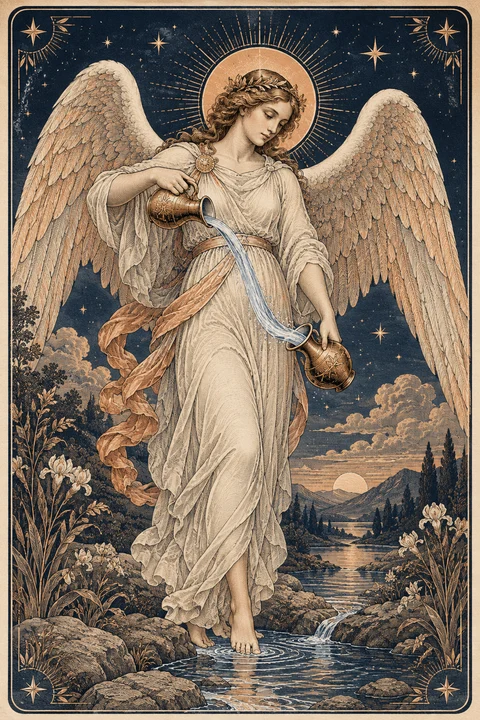
The angels in Major Arcana cards serve as spiritual messengers that bridge ordinary human choices with higher ethical awareness and personal transformation. Appearing prominently in cards like The Lovers, Temperance, and Judgement, these winged guardians symbolize divine intervention, psychological balance, and profound awakening. By examining both biblical imagery and esoteric traditions, readers can uncover how these celestial archetypes illuminate pivotal turning points across the Tarot journey.
The Celestial Messengers: Who Are the Tarot Angels?
Throughout the Rider-Waite-Smith deck, winged beings appear at critical junctures to deliver clarity and recalibrate the soul. Pamela Colman Smith, working under the mystical direction of Arthur Edward Waite, deliberately wove Christian iconography and Western occultism into these depictions. Rather than acting as literal supernatural interventions, the angels function within modern readings as elevated mirrors of consciousness. They emerge when routine logic cannot resolve a dilemma, urging the querent to consider higher principles such as devotion, grace, and spiritual honesty.
The word angel itself derives from the ancient Greek angelos, meaning messenger. Within esoteric cartomancy, these figures rarely deliver trivial news about mundane schedule changes or material gains. Instead, they personify universal virtues and inner guidance that transcend the conscious ego. When an angelic presence dominates a spread, many readers interpret it as a gentle call to rise above petty grievances. The imagery suggests that a wider perspective is required to resolve whatever tension currently surrounds the questioner.
In the Golden Dawn system that deeply informed the Rider-Waite-Smith design, angels represent the macrocosmic forces that shape human development. By visualizing these forces as luminous figures hovering in clouds, the creators established a stark contrast between earthbound struggles and celestial serenity. Understanding who these messengers are allows readers to connect their personal struggles with broader archetypal themes of healing, purpose, and renewal.
Archangel Raphael and The Lovers: Divine Harmony and Choice
In card six, The Lovers, an expansive winged entity hovers over two naked figures who stand amidst a lush, primordial garden. Most Tarot scholars identify this radiant figure as Archangel Raphael, the traditional patron of healing, travel, and reconciliation. His hands are outstretched in a posture of benediction, pouring blessings onto the human couple below. The violet clouds that cushion him signify spiritual maturity, reminding us that physical affection finds its ultimate expression when coupled with emotional and ethical attunement.
Earlier historical decks, such as the Tarot de Marseille, depicted an earthly youth torn between two women while a mischievous Cupid aimed an arrow from above. Waite and Smith dramatically transformed this scene by substituting classical romance with sacred covenant. Raphael stands above the Tree of Life and the Tree of Knowledge, embodying the unification of masculine and feminine polarities. The card asks querents to recognize that authentic love demands discernment, conscious commitment, and inner truth rather than impulsive infatuation.
When Raphael appears in a personal reading, consider where you need to heal fragmented aspects of your identity. Are your conscious decisions harmonizing with your foundational values, or are you compromising your integrity for fleeting validation? Raphael suggests that true partnership starts internally. By integrating your intellect and intuition under a guiding moral standard, you create a foundation capable of sustaining lasting relationships with others.
Archangel Michael and Temperance: The Alchemy of Moderation
Card fourteen presents Temperance, where a winged figure stands with one foot on solid earth and the other submerged in living water. Esoteric custom identifies this angel as Archangel Michael, a guardian associated with solar vitality, fiery purification, and righteous balance. On the figure's forehead rests the astrological glyph for the Sun, and a triangle enclosed within a square adorns the tunic, representing the divine spark dwelling inside earthly form. Rather than wielding a warrior sword, Michael here demonstrates masterful restraint.
The core action of Temperance involves pouring water continuously between two golden cups without spilling a single drop. This impossible physical feat symbolizes spiritual alchemy, the delicate blending of opposing forces into a cohesive third essence. Michael models patience, calm deliberation, and emotional composure amidst chaotic crosscurrents. The angel shows that equilibrium is not a rigid, static posture, but a rhythmic and dynamic dance requiring perpetual mindfulness.
In modern self-reflection, this angelic figure invites you to examine personal extremes. Consider whether you are overextending your energy in work or suppressing your emotional needs in private affairs. Temperance offers reassurance that healing takes time and steady cultivation. By emulating the measured posture of Michael, you can dissolve internal hostility and synthesize divergent perspectives into peaceful, long-term compromises.
Archangel Gabriel and Judgement: The Trumpet of Awakening
Rising amidst billowing gray clouds in card twenty, a magnificent winged herald blows a golden trumpet bearing a crimson cross banner. This figure represents Archangel Gabriel, the traditional messenger of resurrection, transformation, and divine proclamation. Beneath Gabriel, open coffins float on cold glacial waters, from which men, women, and children emerge with upraised arms. The stark, solemn landscape evokes liberation from spiritual slumber, signaling an undeniable call to live with unclouded awareness.
Unlike the subtle whisper of Raphael or the quiet concentration of Michael, Gabriel represents a loud, inescapable reckoning. In psychological terms, this card portrays the moment when suppressed truths, forgotten aspirations, and unresolved past events demand integration. The sound of the horn pierces through self-delusion and rationalization. Gabriel does not appear to condemn, but to release individuals from self-imposed prisons of guilt, hesitation, and regret.
Reflecting on Judgement encourages you to assess your life choices without harshness or denial. What obsolete identities or stagnant routines are you ready to leave behind in the vault of the past? Gabriel asks you to step boldly into personal accountability and answer your genuine vocation. When this card appears, practitioners describe it as a milestone of rebirth, urging you to step forward into your next evolutionary phase unburdened by past errors.
The Dark Reflection: The Winged Figure in The Devil
Any comprehensive study of angelic symbolism must also consider card fifteen, The Devil, which presents a grotesque inversion of the celestial messenger. Perched upon an altar, a horned satyr-like creature displays bat wings, a downward-pointing pentagram, and a mocking gesture. Waite intentionally constructed The Devil as an ironic shadow of The Lovers and Temperance. While the divine angels represent expansiveness, liberation, and balance, this fallen caricature embodies servitude, illusion, and material bondage.
Traditional occult philosophy does not view the winged devil as an external monster seeking to torment human souls. Instead, this figure symbolizes psychological fixations, addiction, and false narratives that convince individuals they are powerless. The loose chains looped around the necks of the two figures below demonstrate that captivity is often self-maintained. By adopting bat wings rather than radiant feathered plumes, the entity highlights what happens when creative energy remains trapped in fear and earthly obsession.
Working constructively with this shadow card involves honest self-investigation. Where in your daily routine have you relinquished personal autonomy in exchange for temporary comfort or illusory security? The presence of The Devil serves as a valuable counterpoint to the angels of higher trumps. It reminds us that spiritual discernment requires facing our shadows with courage, thereby freeing the soul to experience genuine transcendence.
Decoding the Angels in Major Arcana Readings
Interpreting the angels in Major Arcana spreads requires looking beyond literal predictions and tuning into broader life narratives. When one of these majestic beings appears, pay close attention to the surrounding Minor Arcana cards to see where divine principles need concrete application. For instance, if Temperance appears beside several chaotic Wands cards, the angelic message clearly advises slowing down and practicing deliberate patience before initiating new creative ventures.
You can deepen your engagement with these cards through structured contemplative journaling. Place the angelic trump in the center of your table and take three deep breaths to quiet the mind. Ask yourself what higher perspective this particular winged guide is urging you to adopt. Record whatever impressions, intuitive nudges, or bodily sensations arise, allowing the archetypal symbolism of the angel to inform your everyday decision-making.
Ultimately, the angels in Major Arcana cards remind us that human beings are capable of remarkable spiritual elevation and ethical renewal. Whether answering Gabriel's urgent horn, seeking Michael's restorative balance, or resting in Raphael's unconditional harmony, these figures guide us back to our inherent wholeness. By embracing their timeless symbolic wisdom, readers can navigate life's inevitable crossroads with grace, courage, and enduring clarity.
Frequently asked questions
Which Tarot cards feature angels?
In the standard Rider-Waite-Smith tradition, prominent angels appear in The Lovers (Archangel Raphael), Temperance (Archangel Michael), and Judgement (Archangel Gabriel). Additionally, subtle angelic faces appear in the corner clouds of The Wheel of Fortune and The World, while The Devil displays an inverted, bat-winged shadow figure.
Do Tarot angels have religious meanings?
Tarot angels incorporate Christian and Hebrew iconography, but modern readers view them primarily through an archetypal lens. They symbolize universal spiritual values like truth, mercy, and renewal. Readers of any philosophical background can engage with their imagery without subscribing to specific dogmatic beliefs.
What should I do when an angel appears in a spread?
When an angelic trump appears, pause and evaluate the bigger picture rather than rushing toward quick fixes. Consider the specific message of that angel: seek harmony with Raphael, balance extremes with Michael, or welcome honest awakening with Gabriel. Use the card as a prompt for meditation and ethical reflection.
How does Temperance differ from Justice in Tarot symbolism?
While both cards emphasize equilibrium, Justice focuses on objective truth, cause and effect, and legal or moral accountability. Temperance, guarded by an angel, deals with inner alchemy, emotional moderation, and blending diverse energies. Justice uses an intellectual sword, whereas Temperance uses water and patience to achieve harmony.