Can Tarot Cards Answer Yes or No Questions Accurately?
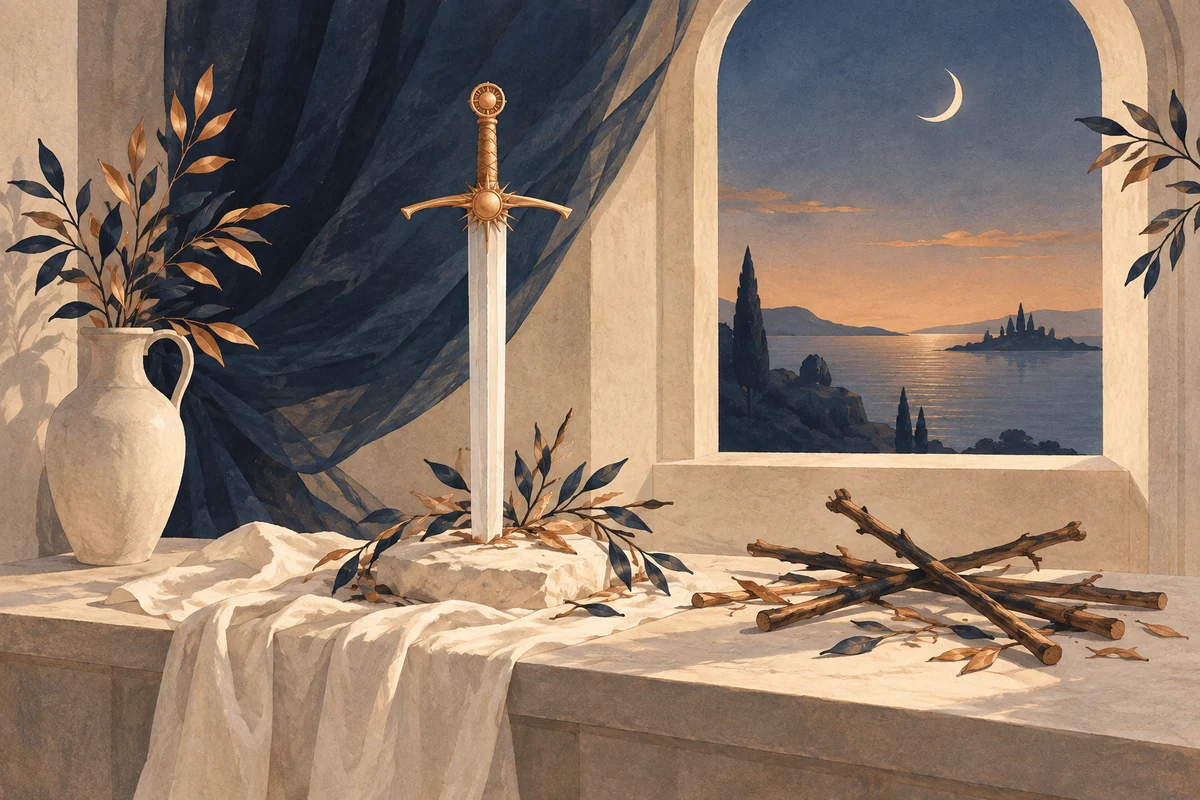
You can use Tarot for binary inquiries, and if you are wondering if or how can tarot cards answer yes or no questions, the answer is yes. Many readers use single-card pulls or orientation methods to receive immediate clarity on straightforward matters. However, because the standard Rider-Waite-Smith deck illustrates nuanced archetypes and psychological states, exploring the deeper reasons behind your card will always yield more helpful guidance.
Understanding How Tarot Handles Binary Inquiries
Many seekers turn to Tarot when facing urgent crossroads and want immediate clarity. When navigating difficult choices, a definitive answer feels far more comforting than an ambiguous reflection. In historical cartomancy, readers frequently assigned direct affirmative or negative values to individual playing cards. When modern readers pick up a deck, they often wonder whether that same straightforward approach applies to symbolic systems like the Tarot. The short answer is affirmative, though understanding the structural nature of the deck reveals why simple answers rarely tell the entire story.
Tarot decks, particularly the classic Rider-Waite-Smith system, were developed with deep allegorical illustrations meant to capture the full spectrum of human experience. Every card represents psychological states, philosophical lessons, and environmental tensions rather than a single digital switch. When you ask a simple query, the cards respond using rich thematic archetypes. A simple nod or shake of the head can miss the rich subtext waiting beneath the surface. Exploring how binary readings operate helps readers determine when to seek quick answers and when to explore deeper meaning.
Treating a reading as an interactive dialogue rather than a fatalistic declaration changes your relationship with the cards. Divination traditions remind us that symbols offer insight into current momentum rather than unalterable future events. While a single pull can quickly point you toward acceptance or caution, the card also provides the reasoning behind that direction. Recognizing this dynamic balance between brevity and nuance is the foundation of thoughtful card interpretation, allowing you to honor both convenience and depth.
Popular Methods: How Can Tarot Cards Answer Yes or No?
If you want to know how can tarot cards answer yes or no, the simplest technique relies on card orientation. Many practitioners decide before shuffling that an upright card signals an affirmative answer, while a reversed card signals a negative or delayed outcome. This method is clean, objective, and eliminates subjective second-guessing during the moment of revelation. It works particularly well for newcomers who are still familiarizing themselves with traditional imagery and want an uncomplicated system that delivers an immediate, unambiguous response.
Another widely used system examines the inherent symbolism and emotional tone of the card drawn. In this framework, cards featuring harmonious imagery, such as The Sun or the Four of Wands, represent a clear yes. In contrast, cards portraying conflict, grief, or sudden upheaval, like The Tower or the Three of Swords, represent a no. When using this traditional interpretive method, readers must study the standard Rider-Waite-Smith catalog to understand which archetypes generally carry auspicious connotations and which ones advise restraint.
A third method relies on elemental dignities and suit correspondences. Fire and Water suits, represented by Wands and Cups, are frequently viewed by practitioners as active or emotionally positive responses signaling movement and connection. Swords, associated with Air, often highlight mental conflict, cutting communication, or intellectual obstacles, leaning toward negative answers. Pentacles, tied to Earth, lean positive but frequently suggest slow, deliberate timing. By setting your interpretative rules before drawing, you create consistent boundaries that prevent confirmation bias.
Common Rider-Waite-Smith Yes and No Card Associations
Certain cards in the Rider-Waite-Smith tradition carry overwhelmingly favorable connotations in a single-card pull. The Sun is arguably the most definitive affirmative card, symbolizing vitality, clarity, joyful triumph, and success. The Star offers an encouraging affirmation rooted in hope, healing, and spiritual renewal, while The World indicates total fulfillment and the successful completion of a cycle. Within the Minor Arcana, cards such as the Ace of Cups, Six of Wands, and Ten of Cups strongly affirm emotional alignment, victory, and long-term peace.
Conversely, several cards traditionally signal a clear stop sign or unfavorable outcome. The Tower warns of sudden collapse, disrupted plans, and foundational instability, making it one of the clearest negative cards in binary readings. The Ten of Swords and Three of Swords indicate painful endings, betrayal, and sorrow, pointing toward rejection or difficult truth. In material matters, the Five of Pentacles suggests financial strain or feelings of abandonment, urging seekers to reconsider their immediate plans and seek support before moving forward.
Many cards resist binary classification and instead indicate conditionality, pause, or personal decision-making. The Two of Swords depicts a blindfolded figure holding balanced blades, traditionally signifying a stalemate where a choice has not yet been made. The Hanged Man suggests that the answer is not a definitive rejection, but rather a mandatory waiting period requiring a shift in perspective. Cards like Wheel of Fortune or Justice remind you that outcomes depend heavily on fluctuating external forces or the natural law of cause and effect.
The Pitfalls of Reducing Complex Situations to Binary Answers
Relying exclusively on binary readings can foster an illusion of absolute determinism that strips away your personal agency. When seekers view the cards as infallible fortune-telling machines, they risk outsourcing their decision-making to chance rather than trusting their inner discernment. No reputable modern tradition claims that Tarot predicts unalterable destinies. Human choices, shifting emotional currents, and unexpected external circumstances constantly reshape upcoming events. When you demand a rigid yes or no, you risk ignoring the active role you play in co-creating your future.
Binary inquiries also tend to amplify emotional distress, especially during times of vulnerability. Seekers experiencing heartbreak, job instability, or family conflict often ask the exact same question repeatedly, shuffling until they receive the answer they desire. This repetitive cycle produces confusion rather than clarity, as contradictory cards begin to pile up. The true therapeutic value of Tarot lies in self-reflection and personal inquiry. Asking a complex situation to fit into a tiny box usually leaves the seeker feeling more anxious and disconnected from practical reality.
Furthermore, a simple affirmative or negative result fails to highlight necessary prerequisites or hidden warnings. An enthusiastic yes might conceal exhausting sacrifices required to achieve a goal, while a blunt no might prevent you from learning a transformative lesson. For example, drawing the Eight of Pentacles in response to a career opportunity suggests success, but only through relentless dedication and patience. A binary interpretation simply says yes, completely overlooking the immense labor and discipline the seeker must bring to the table.
Reframing Questions for Greater Depth and Empowerment
Transforming your questions from closed inquiries into open-ended invitations is one of the most effective ways to elevate your Tarot practice. Instead of asking whether you will secure a promotion, ask what skills or attitudes you should develop to improve your chances. If you find yourself asking whether an ex-partner will return, consider asking what lessons you need to integrate from that relationship. This pivot shifts the focus from passive waiting to proactive personal growth, restoring your sense of control over your life.
A practical technique for transitioning away from strict binary answers is the two-card inquiry method. Draw your initial card to gauge the prevailing energy or likely trajectory of the situation, interpreting it with an open mind. Immediately follow it with a second card designated as constructive advice. This approach acknowledges the quick answer you seek while anchoring it in actionable wisdom. It provides concrete guidance on how to navigate the road ahead, whether the primary energy appears welcoming, restrictive, or somewhere in between.
When formulating questions, lean into exploratory language beginning with how, what, or why. These inquiries unlock the archetypal storytelling engine built into the Rider-Waite-Smith illustrations. Reflective questions such as what unconscious beliefs are holding me back or how can I best support my partner right now invite meaningful contemplation. Tarot functions at its highest level when used as a symbolic mirror for the subconscious mind, helping you uncover underlying motivations that everyday logical thinking frequently overlooks.
Finding Balance with Binary Tarot Readings
While nuanced readings provide the deepest personal transformation, there is nothing wrong with using single-card pulls for quick daily checks. Knowing how can tarot cards answer yes or no gives you an accessible tool for low-stakes decisions, quick temperature checks, and playful daily practice. The key lies in maintaining awareness of the method's inherent boundaries. When you approach the deck with clear intention and respect for its symbolic vocabulary, a quick draw can offer a refreshing burst of intuitive perspective.
Always remember to pair intuitive impressions with grounded, common-sense thinking. Divination is a tool for self-exploration and spiritual contemplation, not an alternative to practical planning, professional counseling, or critical evaluation. If a card warns you against signing a contract, read the contract thoroughly rather than panicking. If a card enthusiastically blesses a new venture, you still need a viable business plan. Tarot supports your intuition, but your conscious mind and deliberate actions must always guide your daily life.
Approaching Tarot with curiosity rather than a demand for guaranteed outcomes opens the door to genuine self-discovery. The deck reminds us that life is rarely painted in stark black and white. Embracing the subtleties of the cards mirrors the complex beauty of human existence, where challenges often contain hidden blessings and successes carry new responsibilities. By balancing straightforward inquiries with reflective wisdom, you cultivate an insightful practice that honors both clarity and depth on every step of your journey.
Frequently asked questions
What should I do if a yes or no card feels neutral?
When a card appears neutral, such as the Two of Swords or The Hanged Man, it usually indicates that the outcome is not yet determined or that you lack necessary information. Many readers view this as an invitation to pause, examine personal choices, or wait for external circumstances to develop before deciding.
Are reversed cards always a no in Tarot readings?
Not necessarily. While some readers treat reversals as a strict no, traditional cartomancy often interprets them as blocked energy, internal processes, delays, or a need for introspection. A reversed Sun, for example, still contains positive warmth, but suggests that fulfillment may arrive more slowly than anticipated.
Can I ask the same yes or no question twice in a row?
Repeatedly asking the exact same question is discouraged because it usually creates confusion and anxiety. When you draw cards until you receive the answer you want, you undermine trust in your intuition. If you feel unsatisfied with an answer, wait a few days or reframe the question as an open-ended inquiry.
Which Tarot suit represents yes most often?
The suits of Cups and Wands are most commonly associated with affirmative energy. Cups represent emotional fulfillment, love, and connection, while Wands symbolize enthusiasm, creativity, and active momentum. Swords frequently highlight conflict or mental stress, while Pentacles offer favorable, albeit slow and grounded, confirmations.