How to Read the Devil Card for Someone with Care
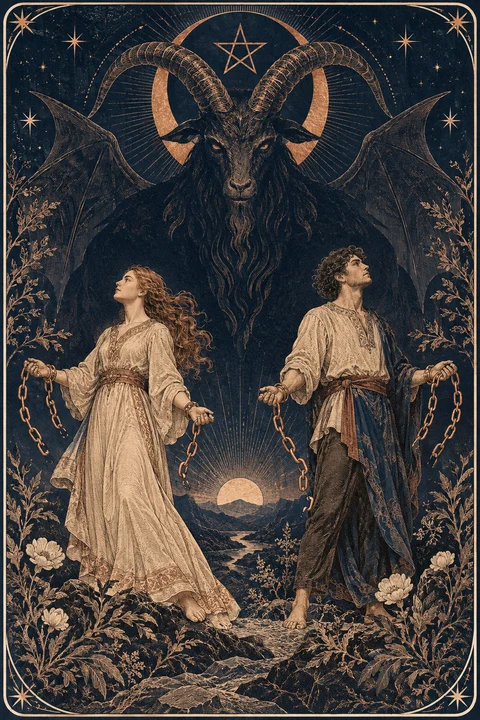
Learning how to read the Devil card for someone requires shifting the focus from fear to personal agency, self-awareness, and choice. In the Rider-Waite-Smith tradition, The Devil does not signify external evil or an unavoidable curse, but rather illustrates voluntary attachments, limiting beliefs, and habits that make a person feel trapped. By emphasizing the loose chains around the figures in the imagery, you can help a client recognize where they hold the power to reclaim their autonomy.
Deconstructing the Initial Visual Fear
When The Devil appears in a client session, the querent often reacts with immediate tension or dread. The dramatic visual vocabulary created by Pamela Colman Smith, featuring a horned creature perched over two chained figures, evokes centuries of cultural superstition. Many people instantly assume the card foretells misfortune, dark intentions, or malice aimed at them. As the reader, your immediate task is to acknowledge their reaction with steady composure, creating a calm atmosphere before interpreting the card.
Begin by directing the client attention away from the monstrous central figure and toward the two smaller human forms standing below. In the Rider-Waite-Smith depiction, these figures wear chains around their necks, but a careful glance reveals that the loops are exceptionally wide and loose. The figures could lift those collars over their heads at any second. Pointing out this specific artistic detail grounds the interpretation in personal choice rather than helpless victimization.
Remind the client that Tarot functions through metaphor and psychological reflection rather than literal threats. Major Arcana cards symbolize universal phases of human experience, and The Devil merely reflects the shadow side of our worldly desires. When you strip away the gothic shock value, the card becomes an invitation to inspect what feels restrictive in life. Demystifying the imagery early keeps your client receptive, calm, and ready to explore their situation honestly.
Reframing the Symbolism Around Personal Agency
Traditionally, The Devil represents material entanglements, obsessive thinking, and the illusion of powerlessness. When reading for another person, translate these ancient themes into contemporary, compassionate language. Instead of talking about wickedness or sin, frame the card around places where the client might be trading long-term peace for short-term comfort. This reframing respects their lived reality while avoiding moralistic judgments that could shut down communication.
The astrological correspondence for The Devil is Capricorn, an earth sign associated with structure, ambition, material reality, and self-discipline. When unbalanced, this energy can manifest as rigid expectations, workaholism, or an excessive need to control outcomes. Explaining this connection helps the querent view the card as an excess of earthly focus rather than a spiritual failure. It suggests that their current dilemma stems from practical pressures, societal conditioning, or fear of instability.
Agency remains the central therapeutic theme of this card in modern divination. When you highlight that the figures hold the key to their own release, you empower the querent to investigate their complicity in their own confinement. People often stay in unfulfilling jobs, strained relationships, or exhausting habits because the familiar discomfort feels safer than the unknown. The card invites the client to examine where they have traded their freedom for predictable safety.
How to Read the Devil Card for Someone Facing Anxiety
Knowing how to read the Devil card for someone who is visibly anxious involves pacing your delivery and maintaining an empathetic tone of voice. If a client gasps or shrinks back, pause the reading for a moment. You might say that while the card looks intimidating, experienced readers often welcome it because it reveals precisely where energy is leaking. Validating their feelings while offering a steady, grounded counterweight prevents panic from hijacking the session.
Avoid using absolute language or predicting dire circumstances when The Devil lands in a future position. Never tell a client that an addiction will ruin them, that an abusive partner will trap them forever, or that they are bound to fail. Divination is an exploratory mirror, not a fixed script. Focus on tendencies, behavioral momentum, and subconscious scripts. Emphasize that Tarot illuminates present dynamics so that the individual can consciously alter their trajectory.
You can also use this moment to contrast The Devil with The Lovers, which shares the same numerical root in the Major Arcana. Where The Lovers represents conscious alignment, harmony, and mutual respect, The Devil shows what happens when bonds become codependent or driven by instinctual fear. Illustrating this parallel helps the client see that they are simply navigating a distorted reflection of healthy desire, which can be restored through awareness and clear boundaries.
Exploring Everyday Contexts Without Moralizing
In relationship readings, The Devil frequently points to codependency, intense infatuation, or unspoken power struggles. A client might be ignoring red flags because the physical chemistry is intoxicating, or they might feel unable to express their needs due to a fear of abandonment. Guide the conversation toward mutual autonomy. You can gently ask whether both partners feel free to be themselves, or if the connection relies on guilt, obligation, and emotional control.
In career and financial spreads, this card commonly highlights golden handcuffs, burnout, or unmanageable ambition. The querent might be staying in a toxic corporate environment purely for prestige, financial security, or fear of restarting their career. Here, The Devil asks what price they are paying for that external validation. Discuss whether the current rewards justify the emotional or physical toll, prompting them to reflect on their genuine definition of success.
When personal growth or daily habits are the focus, the card often mirrors repetitive thought loops, procrastination, or mindless consumption. Many readers observe that The Devil highlights the subtle rationalizations people make to maintain unhealthy patterns. Frame this observation around compassion rather than shame. We all develop coping mechanisms to survive stress, and The Devil merely indicates that a particular strategy has outlived its usefulness and now hinders growth.
Using Surrounding Cards to Illuminate Practical Exits
A Tarot card never exists in isolation, and the cards surrounding The Devil provide essential context on how to resolve the tension. If The Devil is accompanied by action-oriented cards like the Eight of Cups or the Six of Swords, the spread suggests that walking away from the situation is both necessary and already underway. These combinations reassure the querent that departure, while emotionally challenging, offers the clearest pathway to renewed vitality.
Conversely, when The Devil sits alongside cards of intellectual clarity, such as the Ace of Swords or the Queen of Swords, the solution involves objective truth and firm boundaries. The client may need to cut through self-deception, seek factual information, or have a direct, candid conversation that they have been postponing. Swords highlight that mental clarity can dissolve the psychological illusions that make the chains feel unbreakable.
If supportive earth or water cards like the Four of Wands, the Ten of Cups, or the Star appear nearby, encourage the client to lean into their community and self-care practices. Healing self-limiting patterns requires a safe foundation, and these positive cards remind the querent that help, inspiration, and warmth are accessible. Surrounding cards show that liberation is not just an abstract idea, but a practical process supported by tangible resources.
Reflective Inquiry and Closing with Client Empowerment
The most effective way to help a querent process this card is through open-ended, non-judgmental inquiry. Instead of telling the client what they are addicted or bound to, invite them to consider where they feel depleted or restricted. You might ask what obligation they feel unable to refuse, or what fear keeps them tied to a draining circumstance. Giving them the space to name their own chains fosters genuine insight and mutual trust.
Another powerful reflection involves asking the client what secret benefit they receive by remaining in the difficult situation. Often, staying stuck protects someone from the vulnerability of trying and failing, or relieves them of the responsibility to make tough choices. By gently bringing these hidden payoffs into the light, you help the querent understand that their resistance is a protective mechanism, which softens their inner critic and prepares them for meaningful change.
Mastering how to read the Devil card for someone ultimately comes down to leaving the client feeling capable and in charge of their future. Conclude the discussion by reiterating that the presence of The Devil is an opportunity to reclaim sovereignty, establish healthy boundaries, and release outworn attachments. When delivered with warmth, clear boundaries, and grounded insight, this misunderstood card can become one of the most liberating and transformative moments in an entire reading.
Frequently asked questions
Does The Devil card mean someone has placed a curse or hex on the client?
No, The Devil card does not indicate curses, hexes, or supernatural interference. In traditional Tarot symbolism, it represents psychological patterns, material pressures, and voluntary attachments within our everyday lives. Ethical readers guide clients away from superstitious fear and redirect their attention toward personal agency, healthy boundaries, and practical choices they can make in the physical world.
How should I interpret The Devil card reversed for another person?
When reversed, many readers interpret The Devil as an awakening, an impending breakthrough, or the beginning of detachment from an unhealthy habit. It suggests that the client is starting to see through an illusion, loosen their emotional chains, or reclaim their independence. Occasionally, it can also signal resistance to necessary change, depending on surrounding cards.
What should I do if a client becomes emotional or defensive when The Devil appears?
If a client reacts with defensiveness, pause immediately and soften your tone. Acknowledge that the card looks menacing and normalize their discomfort. Reassure them that the card is not a character judgment or an omen of failure. Shift toward collaborative questions, asking what areas of life feel heavy, allowing them to lead the interpretation comfortably.
Can The Devil card ever represent positive passion in a reading?
Yes, context matters significantly. When surrounded by vibrant, creative cards, The Devil can occasionally signify raw ambition, intense physical passion, deep worldly humor, or playful indulgence. However, it still serves as a gentle reminder to ensure that enthusiasm does not cross the line into obsession, loss of control, or emotional imbalance.