The Devil as Advice Feelings Outcome in Tarot
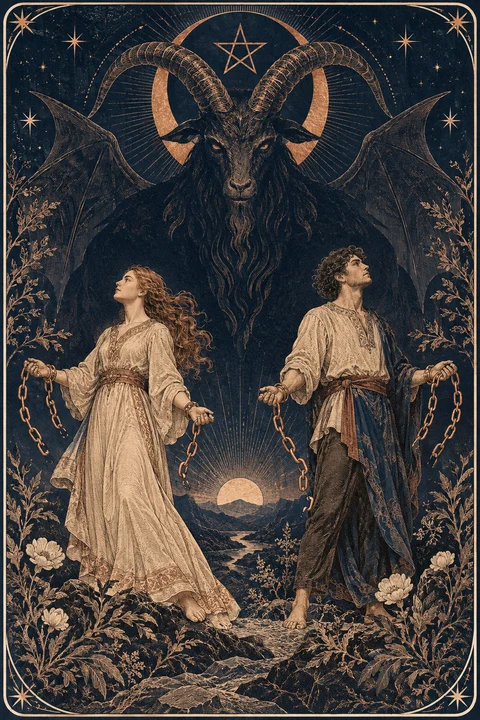
When interpreting the Devil as advice feelings outcome in a Tarot reading, this archetype illuminates unconscious habits, magnetic passions, and the self-imposed restrictions that hinder your growth. Major Arcana card number 15 emphasizes where personal power is willingly yielded to external forces, toxic patterns, or material illusions. By examining this card across different positions, you can identify where loose chains bind your spirit and recognize the exact choices required to reclaim personal sovereignty.
Understanding The Devil in the Rider-Waite-Smith Tradition
In the traditional Rider-Waite-Smith deck, Major Arcana card 15 depicts a winged horned figure seated upon a stone pedestal. Below the pedestal stand a man and a woman, both wearing horns and tails, secured to an iron ring by loose chains around their necks. Astrologically linked to Capricorn, an earth sign associated with material ambition, structure, and physical reality, the card explores the density of the mundane world. Many readers note that the figures could easily lift the oversized collars over their heads, which reinforces the central teaching that perceived bondage is often maintained by habit, fear, or convenience rather than true helplessness.
The imagery draws heavily on the concept of the shadow self, a term popularized in analytical psychology to describe parts of the psyche that an individual rejects or denies. The inverted pentagram above the creature's brow suggests intellect subordinated to base instincts, while the torch held downward represents the misdirection of creative life force. Rather than representing literal malevolence, practitioners describe this archetype as a mirror reflecting unhealthy dependencies, material fixations, and patterns of self-deception that keep seekers from evolving spiritually.
When this card appears in a spread, it demands rigorous honesty regarding where you trade your autonomy for short-term comfort or pleasure. The card does not suggest that earthly desires are inherently bad, but rather warns against becoming enslaved by them. By confronting the mechanisms of attachment without shame or avoidance, you begin the transformative work of loosening the very chains that hold you captive.
The Devil as Advice: Facing the Shadow and Owning Desire
Receiving The Devil as advice encourages you to look directly at your shadow impulses, appetites, and secret motivations without moralizing or looking away. In many scenarios, readers interpret this card as a call to stop playing the helpless victim and instead acknowledge your complicity in your current dilemmas. You may need to ask yourself what hidden payoff you receive from remaining in an unsatisfying situation, whether that benefit is emotional safety, external validation, or avoidance of difficult responsibilities.
This placement can also serve as a practical instruction to lean into healthy ambition, unapologetic boundaries, and primal vitality. If you have been overly accommodating, polite, or self-sacrificing, The Devil counsels you to reclaim your edge and protect your self-interest. You are urged to acknowledge your earthly desires for financial success, sensual pleasure, or personal influence, recognizing that denying these basic human drives often gives them destructive unconscious power.
At the same time, this advice demands an honest audit of compulsive behaviors and dependencies that drain your vitality. Practitioners advise establishing strict limits around relationships, work patterns, or substances that cloud your judgment. The card suggests that freedom is entirely attainable the moment you decide to slip out of the loose collars of complacency, but doing so requires conscious effort, self-discipline, and absolute ownership of your choices.
The Devil as Feelings: Magnetic Attraction, Fixation, and Fear
When The Devil lands in the feelings position, it reveals emotions characterized by raw physical magnetism, intense fascination, and intoxicating chemistry. Someone experiencing these feelings may describe a relentless pull toward another person that feels almost impossible to resist. This attraction frequently crosses the line into obsession, where boundaries blur and a partner becomes the central focal point of all emotional stability, creating an environment ripe for codependency and anxious attachment.
Beneath the thrilling surface of such intensity often lies a profound fear of vulnerability or abandonment. The person holding these feelings may feel trapped by their own emotional state, perceiving the other party as having excessive power over their mood and peace of mind. Many readers observe that this card in an emotional context signifies jealousy, possessiveness, and an urge to control the external environment to avoid facing inner emptiness or insecurity.
In non-romantic inquiries, The Devil as feelings points to deep frustration, resentment, or a pervasive sense of helplessness regarding a career or creative endeavor. You might feel chained to a particular role out of financial necessity or fear of the unknown, generating simmering bitterness toward your obligations. The emotional climate here is defined by friction between conscious aspirations and compulsive drives, highlighting an urgent need for emotional liberation.
The Devil as an Outcome: Entanglement or Necessary Awakening
As an outcome card, The Devil delivers a stark warning about the long-term trajectory of your current path if left unchanged. It suggests that persistent avoidance of core issues will culminate in deeper entanglement, toxic contracts, or cyclical power struggles. Whether in an unhealthy romance, an exploitative work dynamic, or a personal rut, the situation is poised to solidify into an oppressive pattern that drains your vitality and diminishes your independence.
However, practitioners emphasize that an outcome in Tarot represents the most probable result based on present momentum rather than an inescapable fate. The Devil appearing as the destination is often the necessary catalyst for awakening, exposing the dysfunctional mechanics of a situation so clearly that denial becomes impossible. The discomfort generated by this culmination forces a reckoning, compelling you to finally drop the illusion of helplessness and dismantle the structures that limit you.
To navigate toward a healthier resolution, you must actively rewrite the terms under which you participate in the scenario. Reflect on the compromises you have tolerated and determine where you must draw decisive lines. When you recognize that the chains depicted on the card are symbolic and loose, the outcome transforms from one of permanent captivity into a powerful story of reclaiming self-worth and genuine autonomy.
Contextual Interpretations Across Love, Career, and Personal Growth
In relationship readings, The Devil highlights dynamics governed by trauma bonding, unequal power exchanges, or superficial allure. While the connection may possess undeniable passion and excitement, it often lacks emotional maturity, mutual trust, and transparent communication. If you are single, this card cautions against falling for charismatic suitors who offer intoxicating charm at the expense of your emotional safety, advising you to evaluate potential partners through deeds rather than words.
Within career and financial spreads, this card frequently represents golden handcuffs, toxic workplace cultures, or an unhealthy obsession with status and wealth. You might find yourself working grueling hours for an organization that contradicts your core values simply because the financial compensation or professional prestige feels indispensable. As guidance, The Devil encourages strategic thinking, financial realism, and ruthless assessment of whether your material goals are serving your authentic life or quietly consuming it.
Regarding personal and spiritual growth, this archetype acts as an invitation to deep shadow work and psychological integration. Instead of striving for spiritual purity while ignoring primal needs, the card instructs you to integrate your instincts, anger, and carnal nature into a cohesive identity. By honoring every facet of your humanity without guilt, you rob destructive habits of their power and uncover profound creative resilience.
Interpreting the Devil as Advice Feelings Outcome in Your Practice
Synthesizing the Devil as advice feelings outcome within your ongoing Tarot practice provides valuable clarity during complex transitional periods. When interpreting this archetype, examine neighboring cards to understand the root causes of the restriction. For example, paired with swords, the captivity often stems from negative thought loops and anxiety, while cups highlight emotional dependencies, and pentacles suggest material insecurity or excessive greed.
To work constructively with this card during personal reflection, consider journaling about the areas in your daily routine where you feel most powerless or compromised. Ask yourself what uncomfortable truths you have been avoiding to maintain peace, and write down three concrete actions that would immediately restore your personal power. Tarot serves as an introspective mirror rather than a fortune-telling device, providing the insight needed to make conscious adjustments in your life.
Ultimately, Major Arcana 15 carries an empowering message wrapped in intimidating imagery. Recognizing the presence of the Devil as advice feelings outcome allows you to confront the darker corners of your psyche with courage, curiosity, and compassion. Once you realize that the power to remove the chains has resided in your hands all along, you step fully into the role of conscious creator of your own destiny.
Frequently asked questions
Is The Devil Tarot card always a negative omen?
No, The Devil is not inherently negative. In Tarot symbolism, it functions as a diagnostic tool that reveals unhealthy attachments, shadow behaviors, and limiting beliefs. While the imagery looks intimidating, it provides empowering clarity by showing where you have surrendered your autonomy, giving you the awareness necessary to reclaim freedom and make conscious choices.
What does The Devil indicate about someone's feelings toward me?
When The Devil appears as feelings, it typically indicates strong physical attraction, intense fascination, and magnetic desire. However, it also suggests potential codependency, possessiveness, or emotional fixation. The person may feel consumed by the connection, viewing it with compelling passion while simultaneously struggling with boundary issues or fear of losing control.
How can I break free from The Devil as an outcome card?
Because Tarot outcomes reflect present momentum rather than unalterable destiny, you can shift the result by taking ownership of your choices. Identify where you have settled for unhealthy dynamics out of fear or convenience, establish rigorous boundaries, and seek healthy support systems. Consciously removing yourself from toxic patterns alters the trajectory.
Does The Devil card in career readings mean I should quit my job?
Not necessarily. In career inquiries, The Devil often highlights feeling trapped by golden handcuffs, burnout, or manipulative office dynamics. Rather than making impulsive life changes, use this card to evaluate your work-life boundaries, renegotiate contractual terms, and ensure that your material ambition does not compromise your mental well-being and core ethics.