Shadowscapes Tarot Review: Art and Symbolism
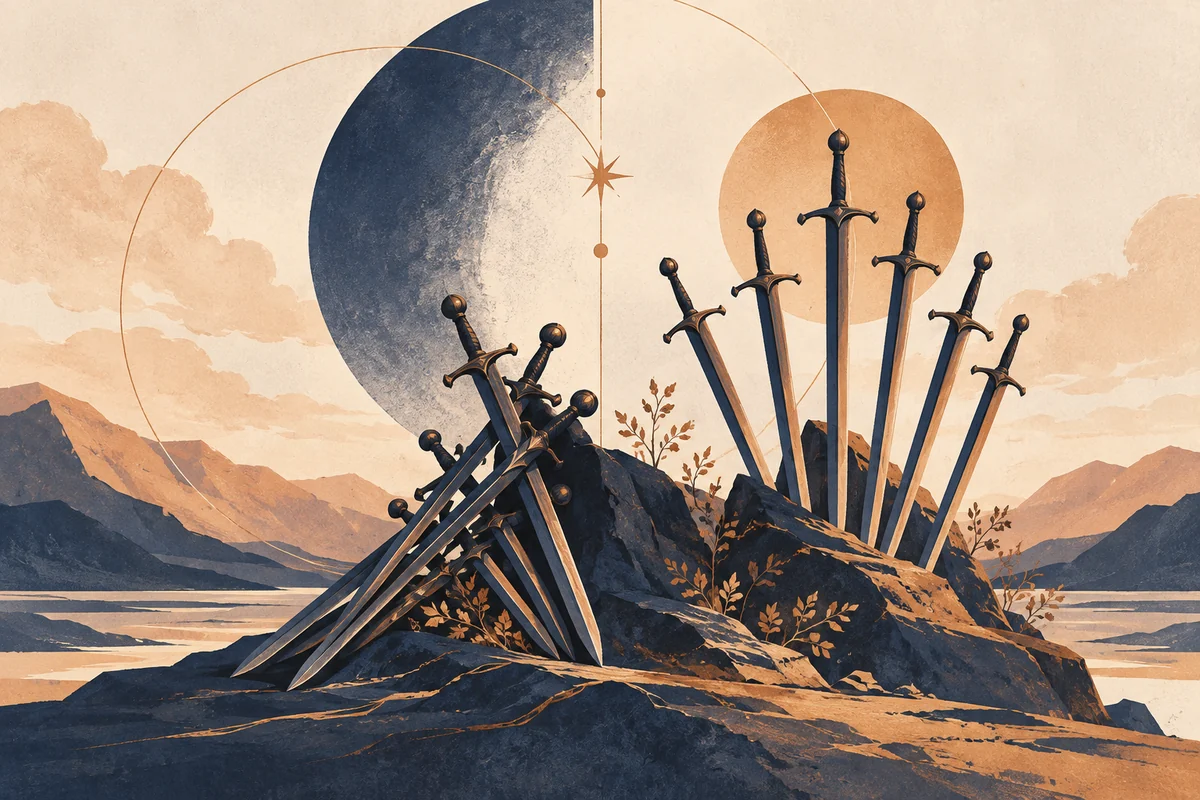
This Shadowscapes Tarot review examines Stephanie Pui-Mun Law's beloved deck, renowned for its luminous watercolor art, mythological motifs, and fairy-tale sensibility. Blending classic Rider-Waite-Smith archetypes with intricate botanical and animal symbolism, the deck offers an evocative tool for intuitive readers who appreciate soft, contemplative imagery. While its dense details require patience and keen eyesight, it remains one of the most rewarding narrative decks available today.
The Visual World of Stephanie Pui-Mun Law
Created by artist Stephanie Pui-Mun Law in collaboration with writer Barbara Moore, the Shadowscapes Tarot presents an ethereal landscape woven from Asian and Celtic folklore, classical mythology, and organic natural forms. Each composition begins with delicate pencil sketches layered with flowing watercolor washes and gouache highlights. Instead of rigid geometry or heavy black outlines, figures emerge from swirling mist, curling roots, and dancing leaves, creating a dreamlike ambiance.
The palette leans toward gentle pastels, soft lavenders, mossy greens, and luminous gold accents. Rather than evoking harsh tension, even challenging archetypes appear graceful and transformative. Readers often describe working with this deck as stepping into an enchanted forest where every creature holds a story. The soft colors invite you to slow down your breathing, quiet your conscious mind, and look past immediate first impressions.
Because the artwork is so finely rendered, every card invites deep visual exploration. The emotional tone avoids aggressive conflict, focusing instead on personal growth, introspection, and mystical connectivity. Practitioners who find traditional decks visually abrupt often discover a calming sanctuary in these painterly tableaus, which treat divination as a gentle conversation with one's inner wisdom.
Rider-Waite-Smith Foundations Beneath the Fantasy
Beneath the swirling dresses and mythical flora lies a solid foundation in the Rider-Waite-Smith tradition. The Major Arcana follows the classic twenty-two card progression, retaining familiar titles like The Fool, The Empress, and The Wheel of Fortune. While the imagery departs from Pamela Colman Smith's theatrical staging, the core psychological and spiritual lessons remain fully intact for modern interpretation.
For instance, The Tower preserves the themes of sudden clarity and collapsing illusions, yet Law renders it as a mighty tree shattered by lightning rather than a stone fortress. In The Hanged Man, a figure suspends herself willingly among willow boughs, meditating peacefully in surrender rather than suffering public humiliation. These creative adjustments do not alter the underlying archetypes, but they shift the emotional tone toward organic evolution.
For experienced cartomancers, translating knowledge from standard decks into this system is relatively straightforward. The underlying symbolism honors historical card meanings while offering subtle visual commentary. Beginners can still study traditional guidebooks alongside this deck, though they will need to look closely to identify where classic symbols, such as crowns or keys, are hidden within the foliage.
Reading Intuitively Through Micro-Details
The true magic of this deck lies in its intricate micro-details, which make it exceptional for intuitive and associative reading methods. Law fills every corner with hidden wildlife, drifting pollen, winding ivy, and celestial patterns. In readings, a tiny wren perched near a subject's elbow or a half-concealed dandelion might hold more personal resonance than the central figure itself.
Instead of scanning a card simply for its textbook meaning, you can allow your eye to wander through the composition until it rests on an element that catches your attention. Many practitioners recommend asking yourself what a specific animal is doing or why a particular color dominates the horizon. This organic approach transforms divination into an interactive exercise in symbolic storytelling.
To practice this method, set aside your guidebook and choose a single card to contemplate for five minutes. Ask yourself: What sensory details stand out immediately? Does the gentle movement in the water suggest emotional ease or hidden depths? By engaging directly with Law's fluid visual language, you cultivate personal interpretive confidence that moves far beyond rote memorization.
Elemental Spirits in the Minor Arcana
The Minor Arcana divides the classic suits into four distinct kingdoms, each brought to life through specific animal companions and elemental forces. In the suit of Wands, representing Fire, athletic foxes and fire dancers leap through amber leaves, embodying creative spark and spirited movement. The energy feels vibrant and purposeful rather than destructive or untamed.
Cups embody the Water element through graceful merfolk, sea turtles, and shimmering fish drifting through turquoise depths. These cards explore emotional currents, relational harmony, and heartfelt intuition with tender vulnerability. The visual weightlessness captures the fluid nature of feelings, gently encouraging readers to navigate their inner moods with empathy and patience.
Swords capture the mental clarity and swift intellect of Air through soaring birds, swans, and winged spirits dancing among windy peaks. Pentacles ground the physical realm of Earth with gentle dragons, badgers, and ancient trees adorned with luminous orbs. These elemental pairings provide thematic coherence, helping you instantly grasp the prevailing energy of any spread.
Cardstock, Usability, and Practical Considerations
While the artistry receives near-universal acclaim, the physical presentation presents a few practical nuances that prospective buyers should weigh. In mass-market editions, the cards are standard tarot size, which can make the dense, miniature paintings feel slightly compressed. Readers who prefer large, bold figures or who read under dim ambient light might experience visual fatigue when examining finer strokes.
The cardstock is relatively flexible and lightweight, facilitating easy riffle shuffling for readers with smaller hands. However, frequent readers may notice wear along the edges over time. Editions featuring thick borders have drawn mixed reactions, as some readers feel white borders box in the ethereal artwork, while borderless versions provide a more immersive visual flow.
The accompanying companion book, authored by Barbara Moore, offers poetic narratives and evocative interpretations that match Law's visionary art. Rather than prescribing absolute predictive definitions, the text provides reflective questions and creative vignettes. It serves as an inspiring companion for personal growth spreads, journaling prompts, and quiet evening readings.
A Balanced Shadowscapes Tarot Review and Verdict
In closing this comprehensive Shadowscapes Tarot review, the deck stands out as a modern classic for those who view tarot as a mirror for personal reflection and spiritual storytelling. Its delicate aesthetic may not suit readers who prefer stark realism, occult geometry, or punchy pop art. Yet for dreamers, poets, and lovers of myth, few tools offer such rich imaginative depth.
If you are drawn to quiet contemplation, fairy-tale archetypes, and detail-driven readings, this deck is an inspiring addition to your altar. It gently challenges you to slow down, observe subtle nuances, and trust your personal visual reactions. For those willing to look closely, each shuffle reveals forgotten paths through the enchanted landscape of the human soul.
Frequently asked questions
Is the Shadowscapes Tarot good for beginners?
Yes, but it requires patience. The deck closely follows standard Rider-Waite-Smith meanings, making traditional study guides applicable. However, because the watercolor details are delicate and intricate, beginners may find it harder to spot traditional symbols at a glance compared to simpler, high-contrast decks.
What makes the Shadowscapes Minor Arcana unique?
The Minor Arcana uniquely pairs each elemental suit with distinct animal guides. Wands feature foxes and fire dancers, Cups showcase merfolk and sea life, Swords highlight swans and birds in flight, and Pentacles feature gentle dragons and forest animals, adding rich narrative depth to everyday cards.
Does the Shadowscapes Tarot come with a guidebook?
Most boxed editions include an illustrated guidebook co-written by Stephanie Pui-Mun Law and respected tarot author Barbara Moore. It offers poetic descriptions, symbolic interpretations, and reflective questions for each card rather than rigid, fatalistic fortune-telling formulas.
How does this deck handle darker or difficult cards?
Challenging cards like The Tower, Death, and the Three of Swords are approached with gentle grace rather than grim dread. They emphasize natural cycles, emotional healing, and organic renewal, making the deck ideal for sensitive readers who prefer compassionate imagery.