The Everyday Witch Tarot Review: Art, Style, and Guide
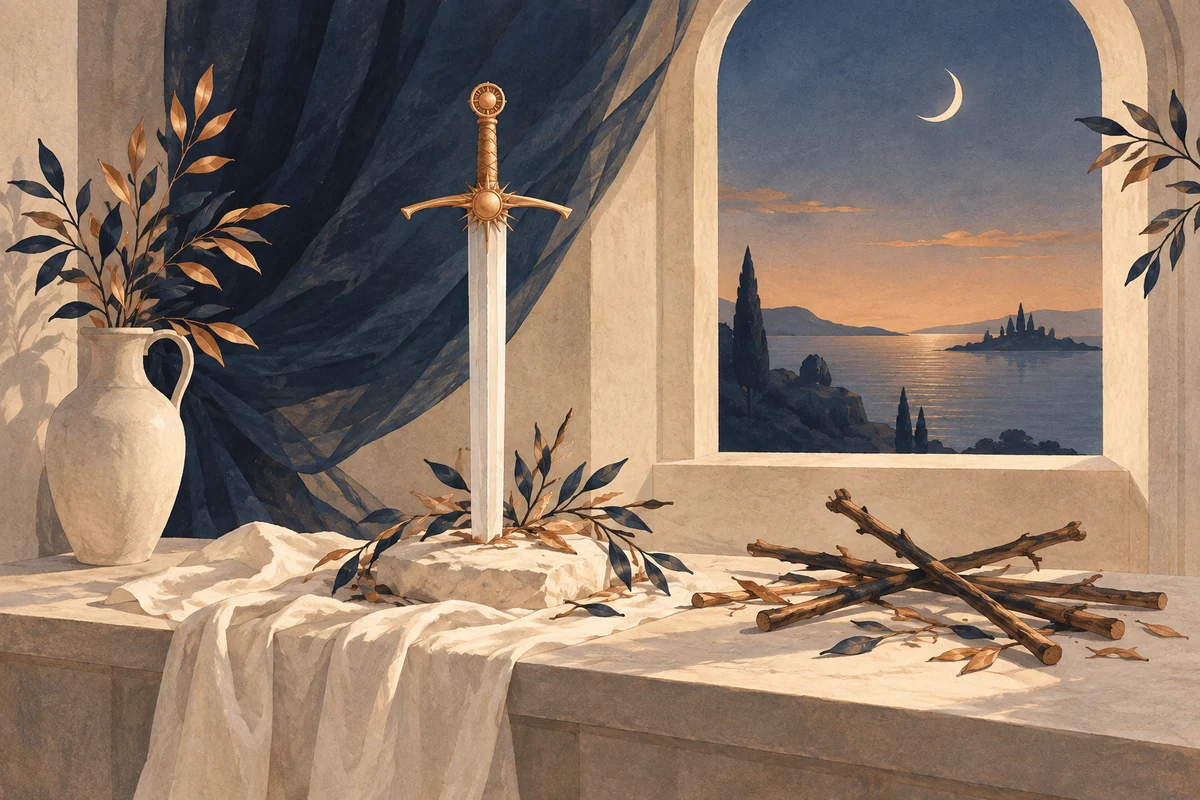
This comprehensive The Everyday Witch Tarot review explores a modern, whimsical deck created by author Deborah Blake and illustrator Elisabeth Alba. Published by Llewellyn Worldwide in 2017, the deck pairs accessible modern witchcraft imagery with traditional Rider-Waite-Smith symbolism. It serves as an approachable, gentle tool for daily self-reflection, making card interpretation intuitive for both beginners and experienced practitioners.
Origin and Creation of The Everyday Witch Tarot
The Everyday Witch Tarot emerged from a creative partnership between Wiccan author Deborah Blake and award-winning illustrator Elisabeth Alba. Published in early 2017 by Llewellyn Worldwide, the deck was conceived to present esoteric wisdom in a warm, relatable format. Blake brought decades of writing on practical witchcraft to the conceptual design, while Alba brought classical illustrative training that gave life to expressive characters and lively animal companions.
Unlike historical occult decks rooted in secret societies, this deck reflects the modern revival of domestic, nature-oriented spirituality. The creators set out to remove the gloomy or frightening associations that sometimes deter newcomers from classic tarot decks. By anchoring profound psychological themes in familiar domestic and natural settings, the creators successfully crafted a deck that feels like an encouraging companion rather than a rigid test of esoteric knowledge.
Since its initial release, the deck has earned widespread popularity among tarot enthusiasts and modern pagans alike. Its commercial success also inspired companion journals, a mini edition, and a sister oracle deck. Practitioners consistently celebrate the deck for demystifying divination, offering a welcoming bridge between centuries-old card systems and contemporary lifestyle practices without sacrificing foundational archetypal depth.
Artistic Style and Visual Storytelling
The visual aesthetic of the deck balances vibrant watercolor and ink illustrations with detailed narrative compositions. Each scene features cheerful characters wearing whimsical pointed hats, striped socks, and practical clothing, moving effortlessly through forests, kitchens, gardens, and seaside cliffs. The visual palette relies on rich, saturated earth tones and bright sky hues, creating an inviting visual atmosphere that encourages relaxed contemplation during readings.
One of the most charming visual motifs throughout the deck is the omnipresence of familiar animals, particularly expressive black cats and loyal dogs. These animals do not simply serve as decorative filler; they reflect the emotional state of the human figures or hint at unseen energies within the cards. For instance, in moments of tension, a cat might arch its back, while in peaceful scenes, it naps comfortably beneath a chair.
The artwork emphasizes movement, emotional candor, and narrative clarity. Characters display recognizable facial expressions ranging from quiet sorrow to joyful triumph, making the deck exceptionally easy to read intuitively. Readers can look past rigid textbook definitions and understand the situation depicted on the card immediately through body language, composition, and interaction with the surrounding environment.
How It Compares to the Rider-Waite-Smith Tradition
Structurally, this deck adheres directly to the Rider-Waite-Smith system developed by Arthur Edward Waite and Pamela Colman Smith in 1909. It retains the standard division of twenty-two Major Arcana cards and fifty-six Minor Arcana cards distributed across four suits: Wands, Cups, Swords, and Pentacles. The court hierarchy follows the familiar Page, Knight, Queen, and King titles, allowing anyone trained in traditional tarot to read with this deck effortlessly.
Where the deck departs from the traditional 1909 imagery is in tone and cultural framing. Challenging cards such as Death, the Three of Swords, and the Ten of Swords are reimagined to emphasize healing, transition, and emotional recovery rather than finality or graphic destruction. In the Three of Swords, for example, a witch sits grieving in the rain beneath an umbrella while storm clouds gather, emphasizing the process of sorrow rather than physical heart-piercing gore.
Similarly, the suits integrate elemental symbolism through modern magical tools and seasonal cues. Wands clearly emphasize fire and creative drive, Cups brim with water and relational flow, Swords cut through mental confusion with breezy air currents, and Pentacles root down into harvest and financial diligence. This faithful mapping ensures that classical card meanings translate smoothly without confusing traditionalists.
The Everyday Witch Tarot Review: Practical Reading Experience
In our practical The Everyday Witch Tarot review, handling the physical cards proved comfortable and intuitive across various reading spreads. The standard Llewellyn edition features quality, flexible cardstock with a smooth finish that shuffles easily without clumping. The cards measure around standard tarot proportions, fitting neatly in average hands for riffle shuffling or overhand spreading across an altar cloth.
During live readings, the deck speaks with a remarkably grounded, supportive voice. It avoids cryptic, frightening riddles and instead delivers actionable guidance suited for daily life, personal relationships, creative blocks, and self-care routines. The narrative clarity makes it easy to construct a coherent storyline across three-card past-present-future spreads or complex twelve-card spreads without constantly pausing to consult reference tables.
The accompanying companion book written by Deborah Blake elevates the reading experience significantly. Blake provides succinct, conversational explanations for upright and reversed meanings, accompanied by short spells, reflective questions, and grounded advice. Rather than presenting tarot as predictive fortune-telling, the guide approaches the cards as mirror reflections for personal growth, making daily draws an empowering, mindful ritual.
Strengths, Limitations, and Critiques
The primary strength of the deck lies in its warm accessibility and narrative charm. It is one of the least intimidating decks on the market, making it an outstanding choice for sensitive querents, teenagers, and anyone recovering from spiritual anxiety. The expressive artwork facilitates rapid intuitive downloads, allowing readers to notice fresh visual clues in background scenery, weather patterns, and animal behaviors during every session.
However, the deck is not without its limitations. Readers who prefer solemn, esoteric, or ceremonial magic traditions may find the cartoon-leaning illustration style overly light, cute, or commercial. The cheerful presence of broomsticks and Halloween-style hats can strike some serious practitioners as decorative rather than deeply sacred, limiting its appeal for formal ritual work or rigorous Qabalistic study.
Additionally, while the human figures showcase diverse hair colors, ages, and body types, cultural and ethnic diversity across the deck remains somewhat limited compared to more contemporary releases. Those seeking wide global representations or abstract, non-figurative art might find the deck's aesthetic specific to modern Western neo-pagan culture and cozy fantasy illustration.
Who This Deck Suits Best
This deck is an exemplary choice for beginning tarot students who want to learn the Rider-Waite-Smith architecture without feeling overwhelmed by dense Christian mysticism or occult diagrams. Because the visual metaphors align so cleanly with classical definitions, studying these cards builds a solid theoretical foundation that transfers smoothly to hundreds of other traditional decks.
It also suits professional readers who frequently work with nervous clients or public events. The lack of violent, macabre imagery in challenging cards like The Devil or The Tower allows practitioners to discuss shadow work, crisis management, and difficult transitions without needlessly alarming the client. The visual warmth naturally encourages open dialogue, vulnerability, and constructive self-reflection.
Finally, anyone practicing nature-based witchcraft, Wicca, or earth-centered self-care will feel instantly at home with this imagery. If your practice involves seasonal altars, working with familiar spirits, and finding enchantment in daily tasks like cooking dinner or gardening, this deck aligns seamlessly with your spiritual lifestyle and daily journaling habits.
Conclusion: Final Verdict on The Everyday Witch Tarot
To conclude this The Everyday Witch Tarot review, the deck stands out as a genuine modern classic that balances lighthearted aesthetics with dependable symbolic rigor. Deborah Blake and Elisabeth Alba produced a thoughtful tool that honors the foundational 1909 archetypes while making them completely approachable for contemporary life. It remains an inspiring companion for anyone who believes wisdom can be found in a warm cup of tea and a quiet walk outdoors.
Frequently asked questions
Is The Everyday Witch Tarot good for complete beginners?
Yes, it is exceptionally beginner-friendly. Because it follows the standard Rider-Waite-Smith system closely and features clear visual storytelling, beginners can easily grasp card meanings without getting stuck on complex esoteric symbols. The included guidebook also offers clear, down-to-earth card explanations.
Do you need to be a practicing witch to use this deck?
No, you do not need to practice witchcraft or paganism to read with this deck. While the artwork features pointed hats, brooms, and magical familiars, the cards address universal human experiences, emotions, and practical life choices that apply to anyone seeking mindful self-reflection.
Does The Everyday Witch Tarot have scary imagery?
No, the creators intentionally softened typically frightening cards like Death, The Devil, and the Ten of Swords. Instead of gruesome or apocalyptic scenes, the artwork highlights emotional healing, necessary boundaries, and natural life cycles, making it suitable for sensitive readers.
How does the cardstock and packaging hold up over time?
The deck comes in a sturdy magnetic storage box alongside a substantial full-length guidebook. The cardstock is standard commercial weight with a semi-gloss finish that shuffles smoothly, withstands frequent daily handling, and resists edge fraying with regular care.