Tarot Questions About School and Study for Focus
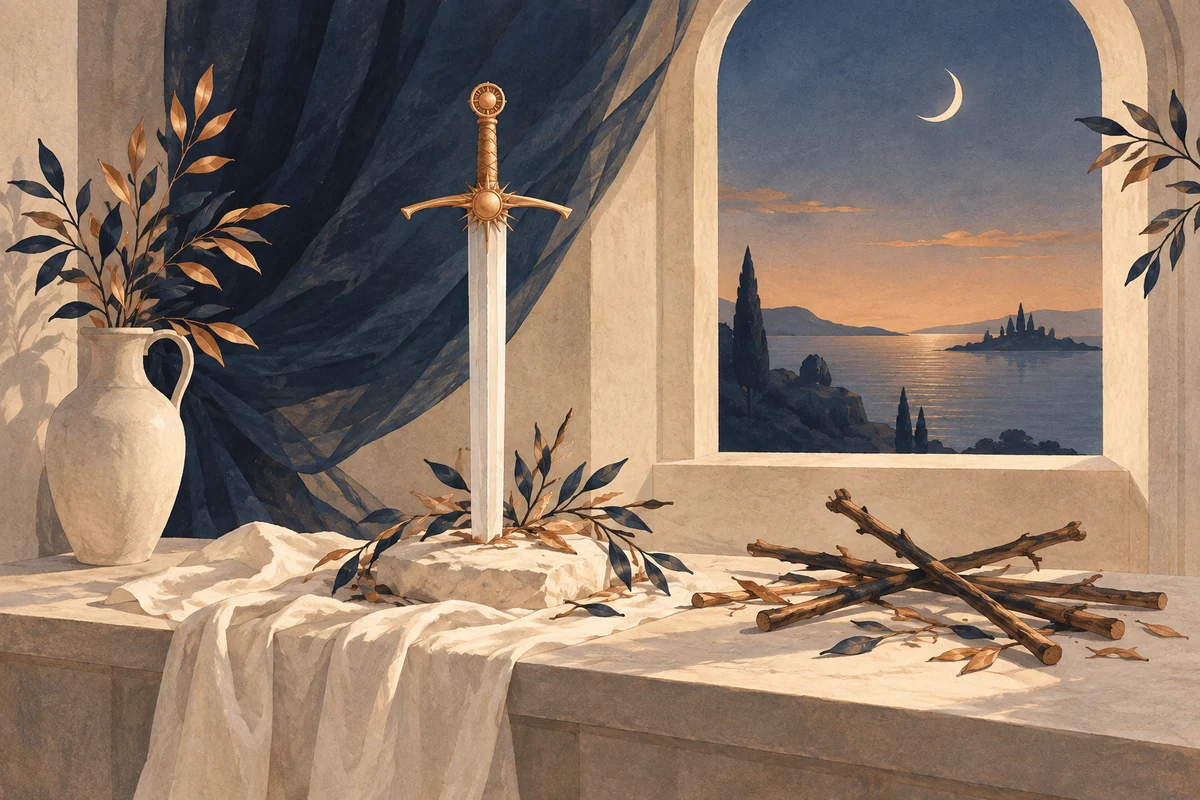
Formulating thoughtful tarot questions about school and study helps you navigate academic anxiety, clarify learning hurdles, and cultivate productive study habits. Rather than attempting to predict final grades or test scores, effective educational inquiries center on your agency, mindset, and practical approaches to coursework. By exploring archetypal imagery through reflective questions, you can uncover fresh strategies to manage your academic commitments with confidence.
The Anatomy of an Empowering Academic Inquiry
Many students turn to divination during midterms or finals when stress runs high and certainty feels elusive. While it is natural to want reassurance about an upcoming test, asking passive questions often produces vague readings that heighten anxiety. An inquiry such as whether you will pass an exam assumes that the outcome is already fixed, ignoring the significant influence of your preparation, rest, and test-taking strategies. Thoughtful readers emphasize that cards reflect current dynamics rather than unalterable destinies.
To build a strong foundation for your reading, frame your questions around personal agency, intellectual development, and practical habits. Instead of treating the cards like an academic crystal ball, treat them as a reflective tool for self-coaching. A constructive prompt typically begins with how, what, or where, inviting a layered narrative rather than a simple confirmation. This shift moves your awareness from helpless anticipation to clear, actionable engagement with your syllabus and materials.
Consider how archetypes in the Rider-Waite-Smith system mirror academic challenges. The Eight of Pentacles highlights dedicated apprenticeship and repetitive mastery, while the Page of Swords emphasizes intellectual curiosity and analytical discipline. When your question focuses on personal effort and perspective, these traditional symbols offer practical guidance. You can examine whether you need the meticulous focus of the craftsperson or the swift mental clarity of the student scholar.
Reframing Predictive Queries Into Actionable Prompts
Transforming closed questions into exploratory prompts requires identifying the core fear or ambition behind the inquiry. When a student asks whether a professor will grade harshly, the underlying concern is usually insecurity regarding mastery of the rubric. Reframing that worry creates questions about how to communicate clearly in essays or what areas of the assignment require a second review. This adjustment transforms a source of apprehension into a concrete checklist for revision.
Similarly, questions regarding acceptance into competitive graduate programs or academic societies benefit from this constructive reorientation. Asking whether an admissions committee will accept your application places your emotional wellbeing entirely in external hands. A far more useful prompt explores how you can articulate your unique perspective in personal statements, or what strengths you should highlight during an upcoming admissions interview. This phrasing respects your genuine effort while reducing unhelpful rumination.
Binary inquiries that demand a yes or no answer frequently lead to confusion during interpretation because the seventy-eight cards contain intricate, multi-layered symbolism. If you draw the Two of Swords for a simple binary question, the reading does not deliver a verdict; instead, it illustrates a state of intellectual stalemate and indecision. Framing your question broadly from the beginning aligns with the symbolic richness of the deck, allowing cards like The Hermit to advise solitary, contemplative study.
Questions for Exam Preparation and Knowledge Retention
Preparing for comprehensive examinations demands sustained concentration, effective memory retention, and disciplined time management. When you sit down with your deck before an intensive study cycle, design your questions to address cognitive fatigue and study environments. You might ask what environmental distractions are currently hindering your concentration, or what revision techniques best support your comprehension of complex theories. These targeted inquiries help you build an optimized, realistic study schedule.
Reflective prompts can also help uncover emotional resistance toward specific subjects that feel intimidating or uninteresting. Asking what subconscious resistance prevents you from engaging with challenging course material allows you to confront avoidance behaviors directly. A card like the Four of Cups might point to apathy or boredom, reminding you to find creative ways to make dense reading assignments personally relevant. Acknowledging these mental blocks is often the first step toward overcoming procrastination.
Finally, exam day requires nervous system regulation alongside academic knowledge. Inquiries that examine how to maintain mental clarity under time constraints can guide your pre-exam routine. You can explore what restorative practices will best replenish your focus between study sessions, or how you can center your thoughts when test anxiety surfaces. Approaching your preparation through this holistic lens ensures that your intellect, energy, and emotional state work in harmony.
Best Tarot Questions About School and Study for Academic Burnout
Academic exhaustion often creeps in when the pressure to achieve outpaces your opportunities for physical and emotional recovery. Using tarot questions about school and study during these challenging periods can illuminate hidden stressors and promote sustainable routines. Instead of asking how much longer your exhaustion will last, ask what unsustainable expectations you are currently placing on your academic output. This line of inquiry encourages honest self-assessment regarding perfectionism and personal boundaries.
Burnout frequently distorts perspective, making every single assignment feel like an emergency that determines your future worth. You can use your deck to restore balance by asking what healthy boundaries you must establish between your coursework and your personal life. Drawing a card such as the Ten of Wands serves as a traditional warning against carrying an excessive burden alone, prompting you to delegate tasks, drop optional commitments, or request extensions when necessary.
Reconnecting with your initial enthusiasm for your major is another crucial remedy for academic fatigue. Inquiries that examine what intellectual passions originally inspired your studies can reignite motivation when routine coursework feels mechanical. Asking what steps you can take to rediscover curiosity in your current subjects helps shift your focus from mere performance metrics back to the inherent joy of discovering new ideas.
Navigating Majors, Group Projects, and Mentorship
Higher education extends beyond independent study to encompass social dynamics, collaborative assignments, and professional guidance. Group projects often present interpersonal frictions that derail focus, creating resentment over unequal workloads. Helpful questions in these situations address how you can communicate your boundaries assertively within your team, or what constructive role you can assume to help the group complete the project efficiently without sacrificing your sanity.
Choosing an academic specialization or declaring a major often prompts significant anxiety about long-term professional security. While cards cannot outline your definitive career trajectory, they can highlight your core values, temperament, and learning preferences. You might ask what foundational values should guide your decision between two fields of study, or what hidden talents you have not yet cultivated in your academic journey. This self-knowledge provides a sturdy compass for important decisions.
Cultivating productive relationships with professors, advisors, and mentors is equally critical for academic growth. If you feel hesitant to attend office hours or ask for guidance on a thesis, design questions that explore how to articulate your questions clearly. Inquiring about what approach will best demonstrate your dedication to a mentor can build your confidence, helping you initiate supportive academic partnerships that enrich your degree.
Using Tarot Questions About School and Study for Growth
Integrating reflective prompts into your educational routine transforms divination into an empowering habit of continuous learning and metacognition. When you engage with thoughtful tarot questions about school and study, you cultivate the self-awareness required to adapt your work ethic to any syllabus. Each draw becomes an opportunity to pause, evaluate your progress honestly, and celebrate the small intellectual breakthroughs that define true scholarship.
Remember that the cards serve as a symbolic mirror for your current state rather than a decree of inevitable failure or guaranteed praise. If a spread reveals challenging imagery like the Five of Pentacles or the Tower, it simply invites you to identify vulnerabilities in your preparation or support system before finals arrive. Taking proactive steps in response to symbolic warnings gives you complete ownership over your learning path.
As you move through your academic journey, keep a dedicated study journal to record your questions, cards drawn, and subsequent observations. Documenting how specific strategies resolved previous study hurdles builds resilience and sharpens your critical thinking skills over time. By grounding your readings in curiosity, self-compassion, and consistent action, you turn your educational experience into a profoundly transformative endeavor.
Frequently asked questions
Can tarot cards predict if I will pass an upcoming exam?
Tarot cards do not predict fixed outcomes or guarantee academic marks. Instead of asking whether you will pass, frame your question around what topics require deeper review or how you can manage test anxiety. This approach keeps focus on your personal preparation, study habits, and actionable revision rather than unalterable future events.
What should I do if I draw an ominous card before a test?
Challenging cards like the Three of Swords or The Tower reflect current stress, cognitive fatigue, or disorganization rather than an unavoidable failure. Treat the imagery as constructive feedback highlighting an area that needs attention, such as taking a restful break, clarifying assignment instructions, or organizing notes before exam day arrives.
How often should I consult tarot cards regarding my studies?
Consult your cards at pivotal moments, such as the beginning of a semester, when selecting a major, or when overcoming an academic block. Excessive daily readings about grades can amplify anxiety rather than relieve it. Allow sufficient time between spreads to apply the practical study strategies revealed in your readings.
Which tarot cards traditionally symbolize academic success and focus?
The Eight of Pentacles traditionally represents craftsmanship, discipline, and sustained study effort. The Page of Swords reflects sharp intellect, curiosity, and analytical skill, while The Hermit symbolizes deep contemplation, research, and solitary concentration. The Hierophant frequently points to formal education, institutional structures, and mentorship.