Tarot Questions About Spiritual Growth for Beginners
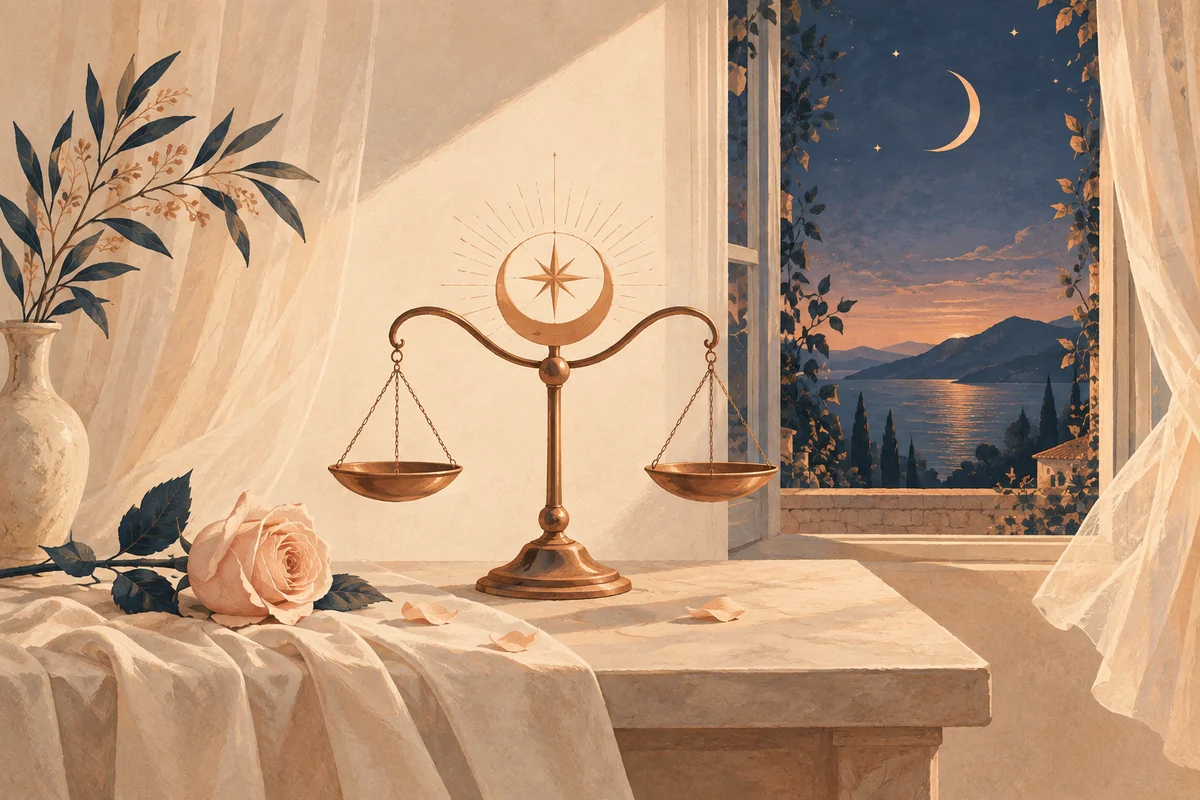
The most effective tarot questions about spiritual growth for beginners focus on self-awareness, present patterns, and personal agency rather than trying to predict fixed future outcomes. Framing inquiries around what you can learn, release, or nurture allows the cards to serve as mirror-like symbols for personal development. By asking open-ended questions and reading simple one-card or three-card spreads, beginners can cultivate a grounded spiritual practice centered on genuine self-reflection.
Why Ask the Tarot About Spiritual Development?
Spiritual growth is rarely a straight line, and many people turn to symbolic tools when they want clarity on their inner journey. Within modern reflective practice, a Tarot deck acts not as a fortune-telling machine, but as a visual map of universal human experiences. Each card presents archetypal imagery that resonates with personal emotions, hidden assumptions, and latent strengths. When you approach the deck with curiosity about your inner life, the cards provide an anchor for quiet contemplation that cuts through the mental chatter of daily routines.
Traditional decks, particularly the Rider-Waite-Smith system, were deliberately illustrated to encode psychological and contemplative wisdom. From the youthful leap of The Fool to the quiet integration of The World, the imagery mirrors the cycles of learning, challenge, and renewal that every seeker encounters. By engaging these archetypes, beginners can identify where they currently stand emotionally and spiritually. This perspective shifts the practice away from passive curiosity and grounds it in active, intentional personal exploration.
Approaching the deck for spiritual insight also builds emotional maturity. Instead of asking whether things will magically improve, spiritual inquiry asks what inner resources you can cultivate right now. This reframing honors your personal agency. Divination traditions remind us that symbols do not dictate reality; rather, they invite us to examine our choices, clarify our values, and live with greater alignment and self-compassion.
Best Tarot Questions About Spiritual Growth for Beginners
Formulating clear questions is the most crucial skill for beginners exploring spiritual development through the cards. Closed questions that demand a yes or no answer usually yield confusing spreads because personal evolution is rarely binary. Open questions starting with words like what, how, or where invite nuanced reflection. For instance, asking what spiritual lesson is currently presenting itself encourages you to search the card imagery for subtle wisdom rather than an absolute verdict.
To explore your relationship with yourself, consider questions that examine internal alignment and blind spots. Practical examples include asking what hidden strength you are ready to acknowledge, how you can cultivate greater self-compassion this week, or what personal belief is currently limiting your growth. Questions like these direct your attention inward, prompting you to examine your internal dialogue and daily conduct rather than external circumstances beyond your control.
You can also craft questions that address your connection to the wider world and your deeper sense of purpose. Inquiries such as what energy you can offer to your community, how you can align your daily actions with your core values, or what emotional attachment you are invited to release all provide rich soil for reflection. Rotating through a curated list of purposeful questions ensures that your card pulls remain constructive, educational, and deeply grounding.
Simple One-Card and Three-Card Spreads for Inner Work
When starting out, complicated spreads with dozens of cards frequently cause confusion and interpretive fatigue. A single-card draw is one of the most potent practices for spiritual development because it requires you to engage deeply with one image. Before drawing, shuffle your deck while focusing on an open question, such as what mindset will support my spiritual well-being today. Place the card face up and spend several minutes observing the colors, figures, and symbols before consulting any reference books.
If you want a spread that shows dynamic movement, a classic three-card layout provides clear context without overwhelming your focus. A reliable format for spiritual exploration is Mind, Body, Spirit. In this layout, the first card reflects your mental habits, the second highlights your physical state and lifestyle needs, and the third illuminates your spiritual path. Another helpful structure is Root, Lesson, Next Step, which helps unpack a spiritual dilemma by looking at its underlying origin and immediate guidance.
Take your time examining the relationships between the cards in a multi-card spread. Notice whether the figures look toward or away from each other, whether the suits harmonize or conflict, and how the dominant colors set an emotional tone. Viewing cards as parts of a coherent conversation helps you synthesize their traditional meanings into practical takeaways for your everyday spiritual routine.
Reading the Major and Minor Arcana Through a Spiritual Lens
Understanding the basic architecture of the deck makes interpreting spiritual questions much simpler. The twenty-two Major Arcana cards represent overarching archetypes and significant soul lessons. When a card like The Hermit, Temperance, or The Star appears in a spiritual spread, it usually indicates a foundational shift in consciousness. These cards invite you to look at broad life patterns, philosophical beliefs, and long-term maturation rather than fleeting daily concerns.
The Minor Arcana consists of fifty-six cards divided into four suits that represent everyday human experiences. In a spiritual reading, the Suit of Cups highlights emotional maturity, intuition, and heartfelt connection. The Suit of Wands speaks to creative drive, core passion, and spiritual vitality. The Suit of Swords clarifies mental clarity, honest communication, and belief systems. Finally, the Suit of Pentacles grounds your spiritual practice into tangible habits, embodiment, and ethical engagement with the physical world.
Court cards, consisting of Pages, Knights, Queens, and Kings, often represent aspects of your own personality rather than external people. A Page might suggest that you are adopting a beginner mindset and cultivating curiosity on your spiritual path. A Queen might urge you to practice inner nurturing and emotional sovereignty. Viewing every card as a mirror of your internal world ensures your readings stay focused on personal accountability and mindful awareness.
Common Mistakes to Avoid in Spiritual Readings
A frequent misstep among beginners is asking fatalistic questions that strip away personal responsibility. Questions like will I achieve spiritual enlightenment or am I cursed to repeat this mistake assume that the future is etched in stone. Divination traditions emphasize that cards illustrate probabilities, influences, and psychological states. Reframing fatalistic worries into empowering questions, such as how can I break this recurring cycle, protects you from unnecessary anxiety and keeps your practice productive.
Another pitfall is pulling additional cards when you dislike the first message. When a challenging card like The Tower or the Three of Swords appears, our initial instinct may be to draw repeatedly until a comforting image surfaces. Doing so clouds the reading and ignores valuable opportunities for shadow work. In reflective Tarot, difficult cards are not omens of doom; they merely highlight areas where unresolved grief, tension, or rigid expectations require gentle attention and honest dialogue.
Finally, beginners often rely too heavily on guidebook definitions without trusting their own intuitive responses. While learning traditional Rider-Waite-Smith symbolism is essential, spiritual growth demands that you notice how an illustration speaks directly to your current life. Allow yourself to study the card imagery first, note your immediate emotional reaction, and then combine that personal insight with classic interpretations to form a balanced, nuanced message.
Grounding Your Readings Through Reflective Journaling
A Tarot reading truly comes alive when it leaves the reading table and enters your everyday routine. Keeping a dedicated Tarot journal is the most dependable method to track personal progress and develop confidence in your interpretations. After each session, record the date, the specific question you asked, the cards drawn, and a short summary of the key themes you noticed. Returning to these entries weeks later often reveals consistent spiritual lessons that were invisible in the moment.
Complement your card summaries with open writing prompts that deepen self-inquiry. If you draw the Four of Swords, write about where your body is calling for genuine rest and how you can establish clearer boundaries around your quiet time. If you draw the Eight of Pentacles, reflect on the spiritual disciplines or creative crafts you wish to develop through patient practice. Connecting card archetypes to concrete behavioral goals turns symbolic study into practical wisdom.
As you maintain this journal, your relationship with the cards will mature into a steady companion for self-discovery. Working with intentional tarot questions about spiritual growth for beginners creates a sanctuary of quiet mindfulness amidst a fast-paced culture. When practiced with patience and self-respect, reading Tarot nurtures an enduring, authentic connection to your inner life and helps you meet life's changes with balance and clarity.
Frequently asked questions
How often should I pull Tarot cards for spiritual growth?
Drawing one card daily or conducting a three-card spread once a week is ideal for beginners. Consistent, measured practice provides ample time to integrate each card's symbolic message into your daily life without experiencing interpretive burnout or mental overwhelm.
What should I do if I draw an intimidating card like Death or The Tower?
Remember that Tarot imagery uses dramatic metaphors rather than literal warnings. Death represents natural endings and necessary renewal, while The Tower signifies the clearing of outdated structures. Treat challenging cards as compassionate prompts to reflect on transition, honesty, and emotional resilience.
Do I need special psychic abilities to use Tarot for spiritual development?
No psychic gifts are required. Tarot functions as a rich system of archetypes, visual psychology, and structured storytelling. Anyone willing to study traditional symbolism, cultivate self-awareness, and practice quiet contemplation can use the cards effectively for inner growth.
Can Tarot replace therapy or professional guidance for mental well-being?
Tarot is a personal tool for mindfulness and creative introspection, not a substitute for medical, mental health, or therapeutic care. If you are navigating deep emotional distress, trauma, or persistent anxiety, always seek support from a licensed therapist or healthcare provider.