Strength Reversed Meaning: Understanding Card 8 in Tarot
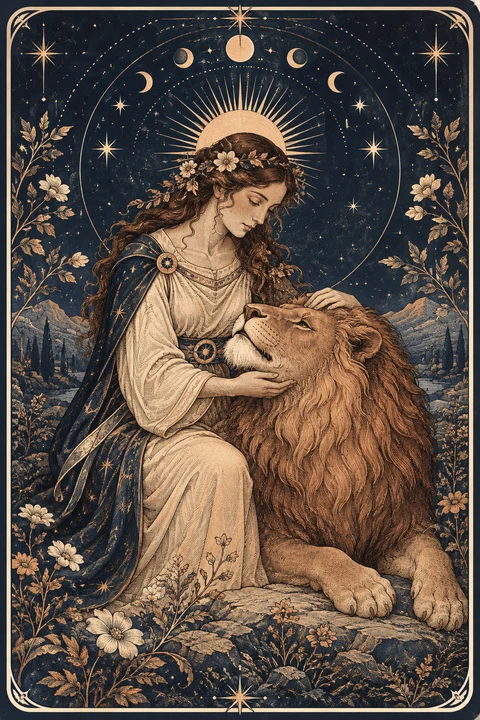
The strength reversed meaning traditionally points to temporary self-doubt, depleted emotional stamina, or raw instincts that feel difficult to manage with gentle compassion. Instead of signaling absolute weakness, this card usually reflects an internal battle where your natural confidence is muffled or forced rather than allowed to flow organically. In a reading, it invites you to pause, nurture your inner reserves, and lead yourself with patient self-acceptance rather than harsh pressure.
The Visual Symbolism of Strength Inverted
In the traditional Rider-Waite-Smith deck, Strength is numbered card eight in the Major Arcana. The illustration features a serene woman crowned with flowers and an infinity symbol, or lemniscate, hovering above her head. She gently closes or opens the jaws of a lion, subduing the beast not with chains or weapons, but through tranquil confidence and spiritual grace. Her white robe represents purity of intention, while the lush landscape signifies abundant vitality. Astrologically linked to the fixed fire sign of Leo, the card normally portrays the harmonious integration of conscious compassion with instinctual animal power.
When the card is turned upside down, the visual balance flips dramatically. The lion's primal weight threatens to overpower the maiden, or the woman's gentle guidance slips into rigid control. The lemniscate, which represents infinite patience and spiritual equilibrium, now rests at the bottom, suggesting that the querent may feel cut off from their customary resilience. Rather than a total absence of courage, the inverted image portrays an imbalance where the ego either surrenders completely to anxiety or attempts to domineer raw emotions through brute willpower.
Many readers find that looking closely at the inverted artwork reveals how easily gentle persuasion turns into frustration. When instinct and intellect pull in opposite directions, internal harmony breaks down. Instead of an affectionate alliance between human consciousness and primal passion, the reversed posture suggests an antagonistic relationship. You might find yourself treating your own emotional needs like an unruly predator that must be silenced, or conversely, feeling entirely dominated by fearful impulses that cloud clear judgment.
The Core Themes of the Strength Reversed Meaning
At its core, the strength reversed meaning centers on a struggle with self-worth and emotional endurance. When this card appears, practitioners frequently identify a state of depletion where the consultant doubts their capacity to handle current circumstances. You may be dealing with acute imposter syndrome, questioning past achievements, or anticipating defeat before taking a meaningful first step. This lack of faith rarely stems from external barriers; rather, it reflects an internal narrative that undervalues your natural competence and magnifies vulnerability.
A second common expression of this reversal involves the misapplication of force. When individuals feel secretly insecure, they sometimes overcompensate by adopting an aggressive posture, attempting to dominate others or bulldoze through complex challenges. In this manifestation, the reversed card serves as a gentle caution against bullying tactics, stubborn pride, and reactive temperaments. True strength in the Tarot tradition is never loud or combative. When quiet authority is replaced by defensive aggression, it usually reveals how fragile the person actually feels beneath the surface.
Finally, many modern readers interpret reversed cards as internalized energy rather than negative outcomes. Under this psychological perspective, the card can describe profound, quiet endurance that is currently hidden from the outside world. You might be fighting an invisible emotional battle, quietly recovering from exhaustion, or patiently processing grief. The reversal affirms that while your courage may not be performing on a public stage, it is actively working behind the scenes to keep you anchored amid personal storm clouds.
Interpretive Traditions and Tarot History
To understand the nuances of Strength, it helps to examine how historical Tarot schools organized the Major Arcana. In the older Tarot de Marseille tradition, Justice occupied position eight, while Strength was placed at position eleven. Arthur Edward Waite and the Hermetic Order of the Golden Dawn intentionally transposed these cards, placing Strength at eight to align the deck with the astrological sequence of the zodiac, assigning Leo to Strength and Libra to Justice. Recognizing this Leo rulership clarifies why the reversal frequently highlights matters of pride, heart-centered courage, and sovereign dignity.
Different interpretive traditions also approach reversals with varying philosophies. French readers using historic woodcut decks often do not read reversed cards at all, believing the surrounding cards clarify whether an archetype operates in dignity or distress. In contrast, twentieth-century Anglo-American traditions, influenced by esoteric scholars like MacGregor Mathers and later psychological readers such as Rachel Pollack and Mary K. Greer, embrace reversals as valuable compasses pointing toward blocked, repressed, or deeply introverted energies.
Because of these varied schools of thought, a reversed card is never a one-size-fits-all omen. Some traditional systems view it strictly as a lack or excess of the upright quality, signaling cowardice on one end or tyranny on the other. Contemporary humanistic approaches treat the card as an encouraging diagnostic tool. Rather than predicting failure, it gently asks the reader to identify where their spiritual stamina has been drained and what gentle measures are necessary to rebuild authentic confidence.
Strength Reversed in Love and Relationship Readings
When examining romantic dynamics, this card often surfaces when one or both partners are struggling with emotional regulation or codependent habits. You might find yourself swallowing your authentic thoughts out of a deep fear of conflict, allowing resentment to simmer quietly beneath an agreeable surface. Alternatively, the reversal can reflect moments of volatile irritation where small misunderstandings provoke oversized defensive reactions. In both situations, the compassionate patience depicted in the upright card has been replaced by self-protective anxiety.
In established partnerships, the card frequently invites honest reflection on power balances. One partner may feel exhausted from carrying the emotional labor of the union, effectively trying to tame every domestic crisis alone while neglecting their own wellness. The card reminds us that love cannot flourish through coercion, emotional manipulation, or martyred endurance. True relational intimacy requires both individuals to acknowledge their vulnerabilities openly, offering each other the gentle grace that the maiden extends to the lion.
For single individuals seeking partnership, the reversed card frequently flags low self-worth as a primary stumbling block. If you harbor an unexamined belief that you are unworthy of enduring affection, you may tolerate disrespectful treatment or shrink from genuine connections. Reflecting on this card encourages you to tame your inner critic first. Cultivating steady compassion toward your own perceived flaws creates the solid internal foundation necessary to welcome a healthy, mutually respectful partnership.
Career, Ambition, and Creative Stamina
In vocational spreads, the card often highlights professional exhaustion and creative burnout. You may be working under demanding conditions where you constantly feel pressured to prove your worth, leading to an empty energetic tank. When your reserves run dry, minor workplace setbacks can feel catastrophic, sparking severe self-criticism. The card serves as a permission slip to step back from relentless performance, replenish your physical resources, and accept that pacing yourself is a strategic asset rather than a moral failing.
This reversal can also point to interpersonal friction with colleagues or supervisors. When insecurity surfaces in competitive workplace environments, it frequently generates passive-aggressive behavior, territorial disputes, or reluctance to advocate for legitimate achievements. If you are struggling to make your voice heard in team discussions, the card suggests that doubling down on force will likely backfire. Instead, focus on quiet competence, meticulous preparation, and calm diplomacy, allowing steady facts to speak louder than defensive arguments.
For artists, writers, and entrepreneurs, the card can represent the familiar anguish of creative blockage. You might feel disconnected from your inventive spark, paralyzed by perfectionism or the terror of public judgment. When creative energy feels wild and uncooperative, forcing productivity rarely yields satisfying art. Practitioners describe this moment as a call for patient incubation: treat your creative instincts with tenderness, lower your immediate expectations, and permit yourself to create imperfect drafts without harsh internal censorship.
Practical Ways to Work with the Strength Reversed Meaning
Working constructively with the strength reversed meaning begins with gentle self-inquiry rather than urgent corrective action. When the card appears in your personal spread, set aside time to journal around specific diagnostic questions. Ask yourself where in life you currently feel like you are white-knuckling your way through responsibilities. Consider whether you are treating yourself with the soft kindness of the maiden or the harsh demands of a taskmaster, and identify where your energy is being consistently drained without reciprocal replenishment.
Contextual card pairings provide deeper clarity regarding how this reversal is operating in your spread. When drawn alongside The Hermit, the card strongly suggests that solitude and deliberate quiet are essential for recovering your emotional balance. If it appears next to the Five of Pentacles, your self-doubt may be tied to practical financial worries or feelings of material isolation. Paired with The Tower, the reversal highlights the internal shock following a disruptive event, signaling that rebuilding your nervous system must take precedence over quick action.
Ultimately, integrating the lesson of this card means redefining what genuine power looks like during challenging seasons. True bravery does not require an unyielding exterior or an absence of fear; it simply asks that you remain kind to yourself while feeling uncertain. By recognizing where your reserves have run low, softening your inner dialogue, and refusing to let temporary doubts dictate your potential, you allow the quiet, enduring wisdom of Strength to reassert itself naturally.
Frequently asked questions
Does Strength reversed mean I am weak or destined to fail?
No, the card does not signify inherent weakness or inevitable failure. In traditional Tarot symbolism, it reflects a temporary disruption in your relationship with your own confidence and emotional reserves. It serves as a gentle reminder to rest, address self-doubt with kindness, and avoid forcing outcomes through sheer willpower while your energy is low.
What does Strength reversed indicate in a yes or no reading?
In a straightforward yes or no spread, Strength reversed leans toward a tentative no or a pause. It generally suggests that you currently lack the emotional clarity, stamina, or self-assurance required to achieve the desired outcome smoothly. Taking time to recharge before proceeding usually produces far better results.
How does Strength reversed compare to the Justice card?
While both cards address balance, Strength focuses on internal emotional equilibrium and the gentle mastery of instinct, whereas Justice focuses on external fairness, objective truth, and ethical consequences. Strength reversed deals with raw feelings, self-doubt, and patience, while Justice reversed highlights partiality, denial of responsibility, and legal or moral complications.
Can Strength reversed indicate problems with anger or temper?
Yes, many practitioners observe that this card can point to unmanaged frustration, irritability, or explosive outbursts. When internal emotional discipline slips, the primal passions symbolized by the lion can break free destructively. It invites you to examine the underlying hurt or fear driving your defensive reactions.