Five of Swords Yes or No: Tarot Meaning Explained
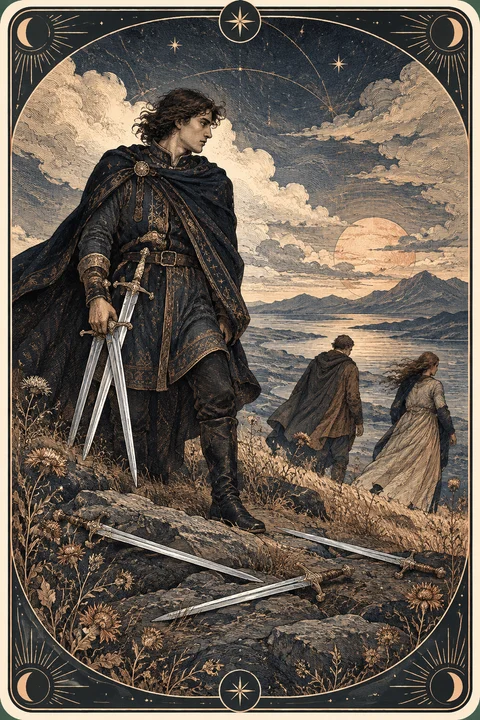
In a straightforward yes or no reading, the Five of Swords is almost universally interpreted by Tarot readers as a clear no. This card reflects conflict, betrayal, ego clashes, and hollow victories where winning ultimately costs more than losing. When this card appears, it signals that proceeding under current circumstances may lead to regret, severed relationships, or unnecessary hostility.
Is the Five of Swords a Yes or No Card?
When you draw the Five of Swords in an inquiry requiring a binary answer, the traditional verdict is a decisive no. Divination practitioners associate this card with friction, misunderstanding, and self-serving behavior. If you are asking whether a project will succeed effortlessly, whether a partnership will flourish, or whether a situation will resolve peacefully, this card warns that the path ahead is filled with friction. The underlying atmosphere is rarely supportive of cooperative endeavors or happy endings.
On rare occasions, readers view the card as an ambivalent or cautionary yes, but exclusively in situations where the goal is tactical detachment. For instance, if you ask whether you should walk away from a toxic debate or cut ties with a hostile peer, the card may affirm that action. However, even in those cases, the victory feels bitter rather than triumphant. You may escape the fight, but you will likely carry emotional scars or unsettled feelings in the immediate aftermath.
Ultimately, treating the Five of Swords as a simple negative answer protects you from underestimating interpersonal tensions. The card cautions against pushing forward when circumstances favor division over unity. If you force an outcome right now, you might technically obtain the result you wanted, but you run the risk of alienating allies and compromising your integrity in the process.
Symbolism of the Five of Swords in the Rider-Waite-Smith Tradition
To understand why this card leans negative, it helps to examine the classic Rider-Waite-Smith imagery created by Pamela Colman Smith. The card depicts a smirking figure holding three swords while gathering two more from the ground. In the background, two dejected figures walk away toward a choppy body of water under a sky filled with jagged, gray clouds. The victor has clearly won the physical confrontation, but the sullen atmosphere illustrates that true camaraderie has been utterly shattered.
As part of the suit of Swords, this card corresponds to the element of Air, which governs the intellect, communication, truth, and mental conflict. Fives across the Minor Arcana symbolize instability, crisis, and disruption after the structured stability of the Fours. Here, the mental clarity of the Swords suit curdles into cynical ambition, manipulation, and pride. The winner stands alone on the battlefield, possessing all the weapons but isolated from community and trust.
Symbolically, the discarded swords represent surrendered viewpoints or sacrificed boundaries. The choppy waves mirror emotional turbulence, while the stormy clouds point to psychological unrest. Rather than displaying an honorable conquest, the visual narrative captures ruthless self-interest. Reflecting on this scene allows you to see whether you are currently acting as the victor, the defeated party, or an observer caught between warring personalities.
The Five of Swords Upright: Why It Usually Means No
When drawn upright, the Five of Swords signals that aggression, stubbornness, or dishonest tactics are clouding your situation. If your question asks, 'Will my partner and I reconcile peacefully?' the upright card responds with a clear no, indicating that egos are currently too bruised for genuine empathy. Both parties may be more invested in being proven right than in healing the connection, turning productive conversation into verbal warfare.
In professional or financial queries, an upright pull suggests competitive environments where backstabbing or cutthroat ambition dominates. If you ask, 'Should I accept this business partnership?' the card strongly advises against it. You may find that someone involved is willing to bend ethical rules or take credit for communal labor. The energy is inherently adversarial, meaning that any agreement made under this influence is vulnerable to mistrust and future disputes.
The upright card also highlights internal conflict where you are fighting battles that no longer serve your well-being. Asking whether you should press forward with a contested legal dispute or personal argument often yields this card as an intervention. It urges you to ask yourself whether winning is genuinely worth the exhaustion, legal fees, or lost sleep. Often, the wisest move is stepping away before further damage occurs.
The Five of Swords Reversed: Lingering Resentment or Moving On?
When the Five of Swords appears reversed, readers interpret the energy as shifting, though it still leans toward a hesitant no or a qualified maybe. A reversal can indicate the aftermath of a bruising conflict where both sides have finally laid down their weapons out of sheer exhaustion. While active hostility might cease, genuine trust has not returned. The situation is characterized by fragile truces, buried resentment, and lingering suspicion rather than genuine harmony.
Alternatively, the reversed card can serve as a positive prompt to swallow your pride and apologize. If you are asking whether reconciliation is possible, the reversed card suggests that healing can begin only if someone is brave enough to drop their defensive armor. The focus moves from proving dominance to acknowledging harm. It asks whether you are willing to concede an argument to save an important friendship, recognizing that peace is far more valuable than being right.
In some instances, the reversal warns of holding onto old grudges long after an argument has concluded. You may be replaying old slights in your mind, allowing past defeats to dictate your present choices. For a yes or no inquiry about starting fresh, the reversed card says no to carrying that mental baggage forward. It counsels you to release the desire for vengeance and dedicate your energy toward constructive pursuits.
Context Matters: Reading the Card Across Love, Career, and Personal Growth
In relationship readings, the Five of Swords is notoriously challenging. If you ask whether a new romance will blossom without drama, the card responds in the negative. It frequently points to power struggles, passive-aggressive communication, or incompatible communication habits. For couples, it suggests that daily discussions have devolved into scoring points against one another. Healing requires both partners to acknowledge the emotional toll of their defensive behaviors.
In career inquiries, the card suggests that workplace politics are running rampant. Asking whether a promotion will bring fulfillment might yield this card to warn of toxic peer envy or a hostile corporate culture. Even if you achieve your professional ambition, you might find that office relationships have soured in the process. It serves as a stark reminder to protect your reputation, double-check contracts, and refuse to participate in destructive office gossip.
Regarding personal growth, this card asks you to examine your relationship with competition and control. Asking whether you are approaching a goal with the right mindset often brings this card forward as a gentle critique. It prompts you to reflect on whether you are being driven by insecurity, fear of vulnerability, or a compulsion to outperform others. True personal triumph comes from authentic self-mastery, not diminishing those around you.
How to Rephrase Your Five of Swords Yes or No Questions
While yes or no questions are popular for quick consultations, complex cards like the Five of Swords deliver far more insight when addressed with open-ended prompts. Binary questions tend to flatten the psychological nuance of Tarot, reducing rich allegories into simplistic outcomes. When you rephrase your question, you shift from passive prediction to active, empowered decision-making, allowing the cards to guide your personal agency.
Instead of asking, 'Will I win this dispute?' consider asking, 'What is this disagreement costing my emotional peace?' Rather than asking, 'Is this person working against me?' you might ask, 'How can I protect my personal boundaries without escalating tension?' These questions invite practical reflection, helping you examine your motivations and identify blind spots that might otherwise prolong unnecessary conflict.
By inviting the Tarot to illuminate the hidden dynamics of your situation, you transform an unsettling card into a valuable protective compass. The Five of Swords does not appear to condemn you; it emerges to show you where ego and hostility threaten your happiness. Reframing your queries enables you to lay down your swords, preserve your dignity, and choose collaboration over pointless conquest.
Frequently asked questions
Does the Five of Swords ever mean yes?
The Five of Swords rarely means yes, but it can act as an affirmative answer when asking if you should walk away from a toxic argument, cut your losses, or accept that a battle is unwinnable. Even then, the card warns that disengaging may feel emotionally difficult or unfair.
What does the Five of Swords mean for a love question?
In love readings, the Five of Swords generally signals power struggles, lack of trust, or verbal arguments where partners focus on being right rather than being kind. It advises stepping back from conflict, examining defensive behaviors, and deciding whether the relationship supports healthy, mutual respect.
Is the Five of Swords reversed better than upright?
The Five of Swords reversed is often considered slightly softer than upright because it signals the end of active fighting. However, it still carries challenges, such as buried resentment or lingering guilt, meaning emotional healing requires deliberate effort and honest communication.
What should I do if I pull the Five of Swords?
If you pull this card, pause before reacting to conflicts in your life. Take inventory of your motives to ensure pride is not leading your decisions, avoid engaging with manipulative individuals, and prioritize your long-term peace of mind over winning a temporary argument.