The Devil Yes or No: Tarot Meaning Explained
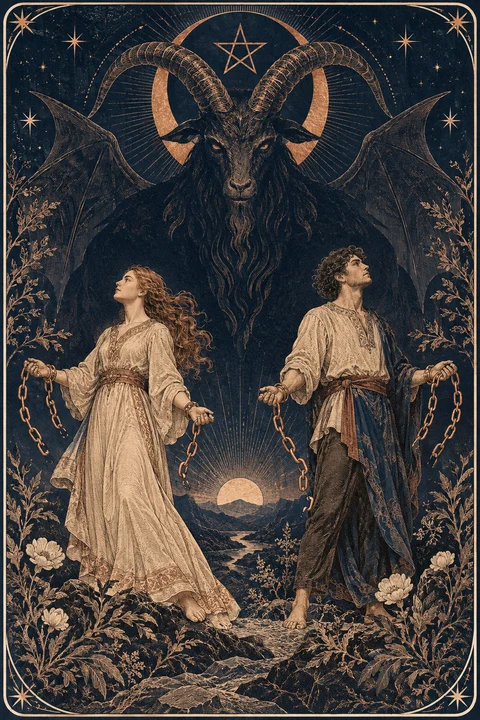
In a straightforward reading, the devil yes or no question almost always leans toward a firm no. Drawing Major Arcana 15 traditionally indicates unhealthy attachments, illusion, or destructive patterns that cloud your clarity and restrict your personal freedom. When this card appears, practitioners usually advise pausing before making commitments rather than pushing forward with your original plan.
The Devil Yes or No: The Traditional Leaning Explained
When consulting the deck for binary clarity, the devil yes or no inquiry generally yields a clear negative response. Divination practitioners view Major Arcana 15 as an explicit cautionary signal warning that advancing right now could bind you to an undesirable situation. If your question centers on entering a business deal, committing to a romance, or taking a risky gamble, this card urges extreme hesitation. It reveals that things are rarely as simple as they appear on the surface.
The negative response associated with this archetype rarely stems from malicious fate or supernatural punishment. Instead, readers view it as an internal warning about obsessive desires, short-term gratification, or psychological blind spots that compromise your discernment. You might believe that getting what you want will bring satisfaction, yet the card suggests that achieving this specific outcome could trap you in lingering dependence. A direct no serves to protect your long-term independence.
There are rare instances where certain readers interpret this archetype as a qualified affirmative, primarily when the inquiry relates to raw ambition, material indulgence, or intense physical chemistry. However, even within those specific contexts, experienced readers emphasize that an affirmative outcome arrives with heavy strings attached. The apparent reward frequently masks a hidden compromise that could cost more than you originally anticipated paying.
Symbolism of Major Arcana 15 in the Rider-Waite-Smith Deck
To understand why this card signals caution, one must examine its intricate visual vocabulary established by Arthur Edward Waite and artist Pamela Colman Smith. Major Arcana 15 depicts a horned, bat-winged figure perched atop a stone pedestal, evoking the classical satyr and the goat of Mendes. Below this imposing entity stand a man and a woman, both wearing small horns and tails, tethered to the altar by metal chains around their necks.
A vital detail in the Rider-Waite-Smith imagery is that the chains resting on the figures are noticeably loose. The human figures could easily lift these iron collars over their heads at any moment, yet they remain standing in place without attempting to escape. This striking visual metaphor implies that our most debilitating limitations are often self-imposed, sustained by habit, comfort, or the illusion that we possess no viable alternative.
Astrologically associated with the zodiac sign Capricorn, an Earth sign governed by Saturn, the card embodies the physical realm, structured reality, ambition, and material limitation. Saturn represents boundaries and accountability, while Earth ties us to tangible concerns like money, physical pleasure, and social status. When distorted, these practical energies warp into excessive materialism, rigid pessimism, and the pursuit of power at the expense of spiritual balance.
Interpreting The Devil Upright in Practical Questions
In relationship readings, drawing this card in the upright position is an unmistakable signal to reassess interpersonal dynamics. Rather than pointing toward a healthy, enduring partnership, it frequently highlights co-dependence, emotional manipulation, or obsessive infatuation. If you are asking whether to reconcile with an ex-partner or commit to someone new, the cards advise stepping back to evaluate whether genuine affection or a fear of loneliness is driving your choice.
Career and financial questions also receive a strong note of caution under this card. If you are asking whether to sign a contract, switch positions, or make an aggressive investment, this card warns that the opportunity may carry predatory terms or unethical demands. A job offer might look lucrative on paper, but it could demand your peace of mind, integrity, or personal well-being in exchange for prestige.
On an internal, psychological level, the upright card asks you to confront the shadows that influence your everyday decision-making process. Are you pursuing an objective out of authentic desire, or are you trying to prove your worth to someone else? The upright presence in a binary spread confirms that unresolved habits or compulsive urges are currently distorting your clarity, preventing you from choosing wisely.
The Devil Reversed: Breaking Free and Changing Dynamics
When this archetype appears upside down, its energetic message shifts substantially from entrapment toward emerging autonomy. In a yes or no inquiry, the reversed card often leans toward a cautious yes, specifically regarding endeavors that involve leaving unhealthy environments or ending destructive habits. It signals that you are finally recognizing the loose chains around your neck and preparing to step away from disempowering circumstances.
If your question asks whether you can successfully walk away from a draining relationship, quit a dead-end job, or overcome a persistent habit, the reversal offers validation. It suggests that denial is dissipating, allowing you to see circumstances without the distorting lens of fear. The process of liberation might feel daunting, yet the card indicates that you now possess the clarity necessary to reclaim your personal sovereignty.
Nevertheless, some readers remind us that the reversal can occasionally represent the painful peak of denial before real recovery begins. You might be fiercely resisting the changes required to liberate yourself, attempting to hold on to familiar pain rather than venturing into the unknown. When you see this card reversed, reflect honestly on whether you are truly letting go or simply bargaining with the situation.
Why Context and Motivation Shape the Answer
A single card pull never exists inside a vacuum, which is why skilled readers evaluate the underlying motivation behind the question. Asking whether you should purchase an expensive luxury item when you are carrying debt yields a different interpretation than asking whether you should allow yourself a rare celebration. The card always mirrors the psychological current beneath your words, exposing rationalizations you might be telling yourself.
The surrounding cards in a broader spread also transform the meaning of this archetype. If accompanied by positive cards like The Sun or The Star, it may simply indicate that a manageable fear is temporarily obscuring your path to joy. Conversely, if it appears alongside challenging cards such as The Tower or the Three of Swords, it underscores an urgent need to extricate yourself from a genuinely harmful environment before matters escalate.
Timing and life stages further influence the card's guidance. During moments of significant personal change, this figure often emerges to challenge outdated defense mechanisms that once kept you safe but now hold you hostage. Recognizing that your motivations are tied to an obsolete survival pattern allows you to reframe the entire situation, transforming a frustrating limitation into an opportunity for conscious growth.
Better Ways to Phrase Questions Beyond Simple Yes or No
Binary inquiries often collapse intricate human dilemmas into rigid dualities that overlook nuance. Cards as rich and layered as Major Arcana 15 rarely communicate through simple affirmatives or negatives. By asking open-ended questions instead, you invite the imagery to illuminate the hidden psychological undercurrents and practical factors governing your circumstances, helping you make an informed decision based on your values.
Consider replacing a query like will this relationship work with what subconscious patterns am I projecting onto this connection. Rather than asking whether you will land a high-paying corporate job, ask what compromises this career opportunity might demand from my personal life. These reframed questions empower you as an active decision-maker rather than a passive observer waiting for fate to unfold.
You can also use the card to guide specific reflective prompts. Ask what fear is currently limiting my sense of agency, or inquire about where you might be trading your integrity for immediate comfort. Engaging with the symbolism in this manner honors the profound tradition of Tarot as an instrument for self-knowledge, introspection, and authentic personal accountability.
Reflective Practices and Conclusion on The Devil Yes or No
Navigating the devil yes or no answer requires honest self-appraisal and a willingness to look behind comforting illusions. While the archetype traditionally indicates a firm no, this boundary is intended to safeguard your personal autonomy rather than block your genuine happiness. By taking time to identify where you feel chained or pressured, you can dismantle the unhelpful agreements you have made with yourself or other people.
Ultimately, the cards do not predict an unchangeable fate, nor do they relieve you of the responsibility to make conscious choices. Divination serves as a symbolic mirror reflecting your inner landscape and current trajectory. When Major Arcana 15 emerges, accept its invitation to remove the loose collar from your neck, step away from unhealthy dynamics, and choose a path grounded in self-respect and lasting clarity.
Frequently asked questions
Is The Devil always a bad sign in a Tarot reading?
No, the card is not an inherently negative omen or a curse. Instead, it serves as a helpful diagnostic tool pointing toward areas where you feel restricted, addicted, or controlled by illusion. Recognizing these dynamics allows you to reclaim your freedom and make healthier choices.
What does The Devil card mean for love questions?
In love readings, this card traditionally cautions against obsession, co-dependency, or relationships built on superficial attraction and control. While it can indicate intense physical chemistry, it warns that emotional security and mutual respect may be lacking, advising honest assessment before deepening your involvement.
Can The Devil mean yes for career and money?
Occasionally, it leans toward yes for rapid material gain or ambitious pursuits, but it always brings a serious warning. It suggests the opportunity may involve exploitative conditions, questionable ethics, or exhausting demands that cost far more in personal well-being than the financial compensation justifies.
How does The Devil reversed change a yes or no answer?
The reversed card frequently shifts the leaning toward yes, particularly when you are asking about breaking free from toxic habits, leaving bad relationships, or overcoming fears. It indicates an awakening process where you recognize your agency and choose liberation over lingering bondage.