The Fool Yes or No: Tarot Meaning Explained
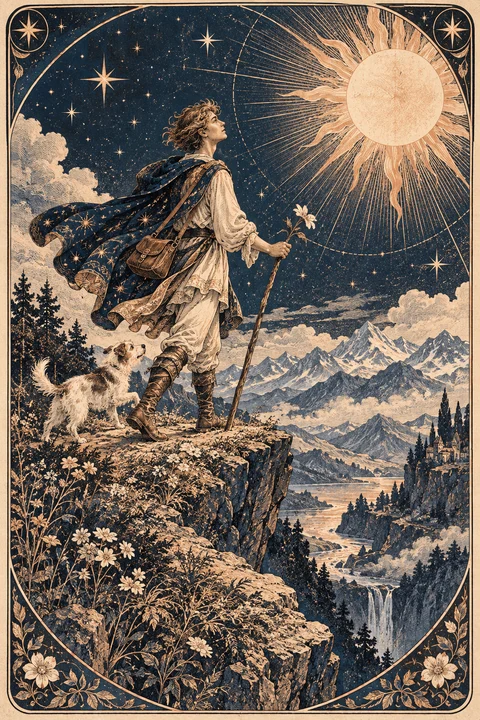
In a traditional Tarot reading, the fool yes or no question usually leans toward an enthusiastic yes, provided you are prepared for fresh beginnings and unexpected adventures. Representing the number zero in the Major Arcana, this card embodies untamed potential, innocence, and the courage to take a leap into the unknown. If your inquiry demands a rigid guarantee or total predictability, however, practitioners describe this card as an invitation to pause and reconsider your expectations.
The Core Verdict: Is The Fool a Yes or a No?
When drawn in an upright position for a binary question, The Fool almost universally signifies an encouraging yes. This is not a passive or comfortable confirmation, however. In Tarot tradition, this card represents the threshold of a grand journey, asking whether you possess the courage to leave familiar territory behind. The card affirms that the energetic pathway before you is wide open, welcoming original ideas, spontaneous choices, and optimistic risks.
At the same time, many experienced readers emphasize that The Fool brings an unconventional variety of affirmation. It is an adventurous yes that refuses to promise a specific, scripted outcome. While cards like the Sun or the Ten of Cups suggest fulfillment and stability, The Fool suggests raw potential and freedom. The positive verdict comes with an unspoken condition: you must be willing to learn through direct experience rather than waiting for absolute certainty.
Context remains paramount whenever you interpret this card in a reading. If you are asking whether you should apply for an exciting new role, move across the country, or embark on a creative endeavor, The Fool offers an invigorating green light. Conversely, if your question asks whether a situation is completely safe, guaranteed, or settled, The Fool gently indicates that nothing is written in stone.
Rider-Waite-Smith Symbolism and the Leap of Faith
To understand why The Fool leans toward an optimistic yes, look closely at the classic Rider-Waite-Smith imagery designed by Pamela Colman Smith. A young figure stands on the precipice of a cliff, gaze tilted toward the sky with radiant optimism. The white rose in hand symbolizes purity of intention and an untarnished spirit, while the small bundle over the shoulder carries only the bare essentials. Everything about the illustration points toward unburdened forward movement.
The loyal white dog barking at the figure's heels serves as an important symbolic guide. Readers often interpret the dog as an instinctual protector, either warning of the sheer drop ahead or dancing with joyful excitement at the journey to come. Far in the distance, sharp mountain peaks remind us that life's major milestones involve steep climbs. Yet the yellow sky radiates divine protection, suggesting that trusting life often yields unexpected personal growth.
Because The Fool carries the number zero, it occupies a unique position outside the sequential order of the Major Arcana. Zero represents both the fertile void of infinite potential and the complete absence of preconceptions. When this energy enters your query, it asks you to surrender intellectual overthinking. The affirmative answer relies entirely on your willingness to adopt a beginner's mind and trust the unfolding path.
The Fool in Relationship and Love Questions
In queries about romance, pulling The Fool upright generally brings an exciting yes to questions about starting new connections or embracing spontaneous vulnerability. If you are wondering whether you should introduce yourself to someone new or take a chance on an unconventional romance, the card encourages you to let go of old baggage. It invites you to approach love without the cynical defense mechanisms built from past heartbreaks.
For established relationships, The Fool upright can indicate a revitalization of passion and shared curiosity. Asking whether you and a long-term partner can reignite your spark usually receives a positive answer, provided both people are willing to step outside predictable routines. The card suggests trying novel activities together, traveling without rigid itineraries, or communicating with candid, childlike transparency.
However, practitioners often remind querents to consider what kind of partnership they truly desire. If your question asks whether someone is ready to settle down, sign a mortgage, or make a binding lifelong commitment, The Fool serves as a gentle caution rather than a firm affirmation. This archetype resists confinement, meaning that emotional freedom often takes precedence over immediate, long-term predictability.
Career and Financial Inquiries: Calculated Risk or Folly?
When consulting the cards about professional growth, The Fool upright is a powerful catalyst for unconventional career choices. If you are asking whether it is time to launch an independent venture, transition into a completely different field, or pitch a daring concept, the answer tends to be a confident yes. The card favors original thinkers who are unbothered by tradition and willing to build something from scratch.
In practical matters, this card does not promise instant wealth, but it strongly favors the pursuit of vocational fulfillment over routine security. Readers frequently note that The Fool asks whether you are staying in an uninspiring position solely out of habit. A yes from this card encourages learning on the fly, collecting diverse experiences, and trusting that resourcefulness will sustain you through early growing pains.
Regarding large purchases or purely speculative investments, The Fool calls for careful self-reflection rather than blind enthusiasm. Divination traditions remind us that while optimism is a gift, willful ignorance can lead to unnecessary setbacks. If a financial proposal seems too good to be true, the card invites you to verify details personally rather than assuming good luck alone will prevent costly oversights.
The Fool Reversed: When the Card Shifts to No
When The Fool appears reversed in a binary reading, the energetic tone shifts dramatically toward a hesitant no or an urgent warning to halt. The shadow side of this archetype embodies recklessness, poor judgment, naivety, and a stubborn refusal to see clear hazards. Instead of an inspired leap of faith, the reversed card often mirrors a blind stumble off an avoidable cliff.
In many instances, The Fool reversed indicates that you lack essential information needed to make a sound decision. Many readers interpret the upside-down card as an advisory that you are acting on ungrounded impulse rather than intuitive wisdom. If you ask whether now is the right time to sign an agreement or make a drastic life pivot, the reversed card suggests delaying until you have established proper preparations.
Alternatively, The Fool reversed can represent the exact opposite extreme: an overwhelming fear of the unknown that paralyzes your progress. In this light, the card reflects someone holding back because they fear making mistakes or being judged by others. Here, the answer might be a conditional no, meaning you cannot move forward effectively until you address the anxieties that keep you immobilized.
Beyond Binary Answers: How to Reframe Your Inquiry
While simple yes or no spreads offer quick snapshots, Tarot symbolism is inherently nuanced and best suited for reflective depth. Because The Fool represents boundless possibilities, squeezing the card into a strict binary format can sometimes strip away its most transformative advice. Reframing your question into an open-ended format often provides far more actionable clarity for your personal journey.
Instead of asking whether an opportunity will succeed, consider asking what mindsets will help you navigate this transition successfully. Rather than asking if a new partner is the one, ask what lessons this fresh connection offers your personal growth. By asking how or what questions, you empower yourself as an active creator rather than a passive observer waiting for fate to deliver an outcome.
Reframing also aligns beautifully with the core philosophy of Tarot as a mirror for personal awareness. Divination serves as an opportunity to clarify your inner desires and evaluate your instincts. When you ask questions that invite self-reflection, The Fool transitions from a simple green light into a profound companion for personal evolution.
Interpreting the fool yes or no in Practical Readings
To get the most accurate insight from the fool yes or no dynamic, pay close attention to surrounding cards in larger spreads. When flanked by grounded Earth cards like the King of Pentacles, The Fool upright suggests that your adventurous idea has a solid foundation beneath it. If surrounded by turbulent cards like the Tower or the Five of Swords, even an upright Fool cautions that the path ahead contains intense disruptions.
You can also use simple three-card frameworks to unpack the nuances of your query. Try laying down cards for the potential leap, the unseen obstacle, and the guiding wisdom. This simple method preserves the quick clarity of a direct reading while honoring the complex lessons woven into Major Arcana archetypes.
Ultimately, understanding the fool yes or no comes down to balancing courage with awareness. When this buoyant figure steps into your spread, it asks you to greet life with wonder, unclouded optimism, and genuine self-trust. Take the leap when your heart aligns with growth, but keep your eyes open to every lesson the journey provides.
Frequently asked questions
Is The Fool upright always a definitive yes in Tarot?
Traditionally, The Fool upright leans strongly toward yes, especially for ventures involving creative growth, new beginnings, and bold risks. However, if your question seeks stability, guaranteed safety, or established permanence, the card suggests that the situation is far too fluid to provide a predictable outcome.
What does The Fool reversed mean for a yes or no question?
When reversed, The Fool typically indicates a no or a strong recommendation to pause. It often warns of poor planning, reckless behavior, or entering a situation without knowing the critical facts. It can also symbolize deep anxiety that prevents necessary action.
Does The Fool indicate that someone is ready for commitment?
In love readings, The Fool generally leans toward no regarding conventional commitment. While the card indicates genuine excitement and openhearted affection, this archetype prioritizes freedom, discovery, and spontaneity over binding long-term contracts, domestic routines, or rigid relationship structures.
How can I rephrase a yes or no question with The Fool?
Instead of asking a closed question like 'Will this new job work out?', try asking 'What energy should I embody as I step into this new opportunity?' This open-ended approach honors The Fool's focus on personal empowerment, learning, and self-discovery.