The Hierophant Yes or No: Card Meaning Explained
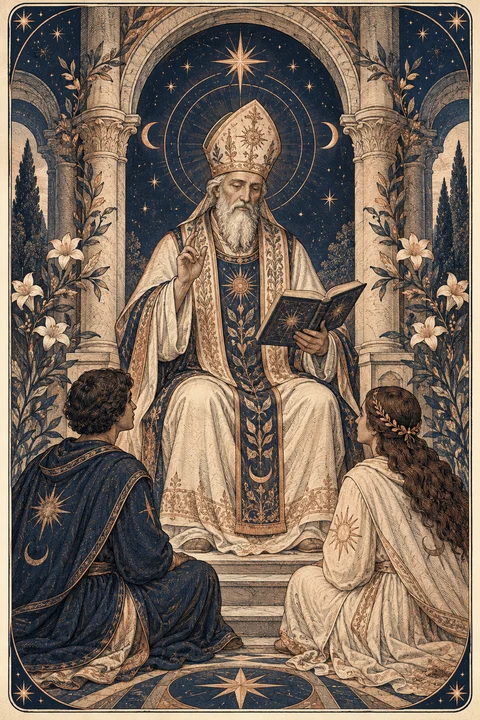
In a standard Tarot reading, The Hierophant yes or no interpretation traditionally leans toward a neutral or conditional yes, provided your inquiry aligns with established rules, conventional wisdom, and ethical structures. Because this Major Arcana card embodies tradition, spiritual mentorship, and orthodoxy, it rarely offers an impulsive green light. Instead, practitioners describe the card as an invitation to seek counsel from reputable sources and honor time-tested principles before making your choice.
Understanding The Hierophant in Yes or No Readings
Major Arcana card number 5 occupies a unique place in the Tarot deck. In the classic Rider-Waite-Smith tradition, The Hierophant represents institutional knowledge, structured belief systems, formal education, and spiritual guidance. When readers draw this card in a quick binary spread, they frequently interpret it as a measured yes. However, that agreement comes with notable caveats that require the querent to follow established protocol rather than improvising novel shortcuts.
Divination readers frequently explain that The Hierophant acts as a cosmic mentor or cultural gatekeeper. Rather than granting unbridled permission for wild experimentation, the card asks whether your current trajectory complies with ethical standards, institutional policies, and community consensus. If your plan depends on bending rules, taking risky financial gambles, or defying reputable advice, this card can function practically as a cautionary pause or even a quiet no.
Context determines the exact nuance of every draw. A person inquiring about whether they should enroll in an accredited degree program, formalize a marriage, or consult a licensed counselor will usually find the card highly supportive. Conversely, an entrepreneur asking if they should launch a disruptive, unregulated venture might find that The Hierophant counsels hesitation until conventional foundations are secured.
Iconography and Astrological Foundations of Card Five
In the Rider-Waite-Smith imagery, The Hierophant sits enthroned between two massive stone pillars of a sacred temple. He wears papal vestments and a three-tiered crown symbolizing his dominion over the physical, emotional, and spiritual realms. Beneath his raised hand of benediction, two initiates kneel in reverence, awaiting his teachings. This visual tableau highlights the transmission of structured knowledge from experienced master to humble student.
Astrologically, The Hierophant corresponds to the fixed earth sign of Taurus. Ruled by Venus, Taurus values stability, tangible reliability, steady pacing, and enduring values. This connection explains why the card rarely rushes to an enthusiastic yes for impulsive actions. Taurus preserves what is valuable, dependable, and structurally sound. Practitioners describe this influence as a reminder that worthwhile milestones require patience, adherence to routine, and deep personal integrity.
The presence of crossed keys at the spiritual teacher's feet symbolizes the unlocking of sacred mysteries through discipline and shared lineage. In symbolic reflection, these keys suggest that the answer to your question is already accessible through established resources, seasoned mentors, or historical precedents. You do not need to reinvent the wheel when centuries of collective human wisdom have already addressed your dilemma.
The Hierophant Yes or No in Upright Readings
When pulled in the upright position, the Hierophant yes or no dynamic predominantly leans toward an affirmative response, but only under the umbrella of traditional rectitude. If you are asking whether to formalize an agreement, join a professional association, or seek guidance from a qualified expert, the card gives strong encouragement. It confirms that aligning with established norms will protect your best interests and create sustainable outcomes.
In matters of love and relationships, an upright pull often translates to a yes regarding shared core values, commitment, and conventional milestones. It frequently indicates discussions around marriage, family traditions, or aligning spiritual beliefs. If you are wondering whether a partner is serious about formal commitment, this card acts as a reassuring sign that long-term stability and traditional relationship structures are mutual priorities for both parties.
For professional and creative inquiries, the upright card suggests working within existing company hierarchy or formal industry frameworks. It answers favorably to questions about pursuing certifications, completing compliance audits, or seeking mentorship from an experienced senior colleague. Innovation is not forbidden, but it must be built upon a mastery of fundamentals and genuine respect for standard operating procedures.
The Hierophant Reversed: Nonconformity and Rigid Dogma
When The Hierophant appears reversed in a binary reading, many readers interpret the card as leaning toward no. The inverted position suggests that outdated traditions, authoritarian bureaucracy, or dogmatic thinking are actively obstructing your progress. Alternatively, it can mean that following advice from an institution or self-proclaimed authority figure could lead you astray, signaling a need to trust your own inner moral compass.
In relationship spreads, a reversed draw often flags friction caused by differing fundamental worldviews, overbearing family traditions, or resistance to societal expectations. The answer to questions about conventional union or satisfying family demands leans negative. Practitioners describe this inversion as an invitation to examine whether you are staying in a partnership simply to please social conventions rather than nurturing genuine emotional compatibility.
Career and practical decisions under a reversed card frequently caution against blind obedience. If you are asking whether to stay at a stifling corporate job with rigid hierarchies, the card may encourage nonconformity and unconventional career paths. In this specific scenario, the apparent no to existing systems transforms into an empowering yes to forging an authentic, independent philosophy.
Why Context and Question Framing Matter
Tarot cards are rich multidimensional mirrors rather than simple electronic switches that flash green or red. Attempting to force an ancient, complex archetype like Card Five into a strict binary format frequently flattens its wisdom. The Hierophant is less concerned with whether an event will happen and far more focused on the ethical framework and collective principles governing how you navigate that event.
Consider two different querents drawing this card. The first asks whether they should settle a legal dispute through formal mediation, and The Hierophant responds with a distinct affirmation of legitimate institutional systems. The second asks whether they should rebel against company policy to present an unapproved creative idea, and the card functions as an emphatic warning against reckless nonconformity without institutional buy-in.
Surrounding cards in a larger spread also significantly alter the nuance. Accompanied by the Two of Cups or the Four of Wands, The Hierophant strongly affirms ceremonial union, home stability, and supportive community celebrations. Conversely, if flanked by the Five of Swords or The Tower, the card warns that dogmatic beliefs, institutional corruption, or rigid moral superiority may cause painful interpersonal conflicts.
Reframing Inquiries for Deeper Personal Clarity
To gain maximum benefit from your cards, experienced readers suggest moving beyond basic binary inquiries toward exploratory questions. Instead of asking whether a specific situation will resolve in your favor, ask what ethical considerations need your attention. This shift transforms divination from passive fortune-telling into an active practice of self-reflection, mindfulness, and personal responsibility.
For example, replace the question of whether you should take a new job with an inquiry about what mentorship or foundational learning the position offers. Instead of asking whether a romantic partner is the one, ask how both of you can cultivate shared spiritual values and emotional integrity. These questions engage the archetypal teacher directly, inviting practical, foundational wisdom into your daily decision-making.
Take time to journal on the deeper themes invoked by Card Five. Consider questions such as: What traditions in my life still serve my personal growth, and which ones feel restrictive? Whose advice do I respect, and am I listening to licensed, reputable professionals when facing significant life crossroads? Reflecting on these prompts yields actionable clarity far superior to a simple affirmative or negative answer.
Synthesizing the Hierophant Yes or No Answer
Ultimately, resolving the Hierophant yes or no question requires examining your alignment with truth, structure, and integrity. When the card arrives upright, embrace the affirmative if your path honors established ethics, sound mentorship, and time-tested methods. Accept that real growth often demands formal discipline, sustained dedication, and cooperation with experienced guides who have walked the path before you.
When the card arrives reversed, recognize it as an opportunity to release outmoded dogma and reclaim personal autonomy. Do not submit blindly to external pressure, toxic perfectionism, or arbitrary social norms that stifle individual growth. By using this traditional archetype as a reflective sounding board, you gain the perspective needed to make wise, grounded choices for your highest long-term wellbeing.
Frequently asked questions
Is The Hierophant generally a yes or no in love readings?
In love readings, The Hierophant upright generally leans toward a yes, particularly for questions involving long-term commitment, shared moral values, marriage, or formalizing a partnership. It reflects traditional relationship ideals and mutual respect. However, if reversed, it often signals incompatibility regarding spiritual beliefs, rebellion against family expectations, or an unwillingness to conform to conventional relationship roles.
What does The Hierophant mean for career questions?
For career matters, the upright card indicates a yes for pursuing formal education, professional certifications, or established corporate environments. It advises seeking seasoned mentors and adhering strictly to industry policies. When reversed, it cautions against rigid office politics, suggests that corporate conformity might stifle your authentic creativity, and points toward finding an independent, nontraditional professional path.
Does The Hierophant mean maybe?
Many practitioners treat The Hierophant as a conditional yes or maybe rather than an absolute green light. Because it represents rules, ethics, and established systems, the card insists that positive results depend entirely on whether you follow proper protocol, consult experienced advisors, and act with integrity throughout the entire process.
Which astrological sign rules The Hierophant card?
The Hierophant is traditionally associated with the zodiac sign Taurus, an earth sign ruled by Venus. Taurus embodies patience, stability, respect for tradition, and steady physical security. This astrological association reinforces the card's emphasis on grounded wisdom, enduring structures, and taking measured, dependable steps rather than pursuing hasty, ill-considered shortcuts.