The High Priestess Yes or No: Tarot Meaning Explained
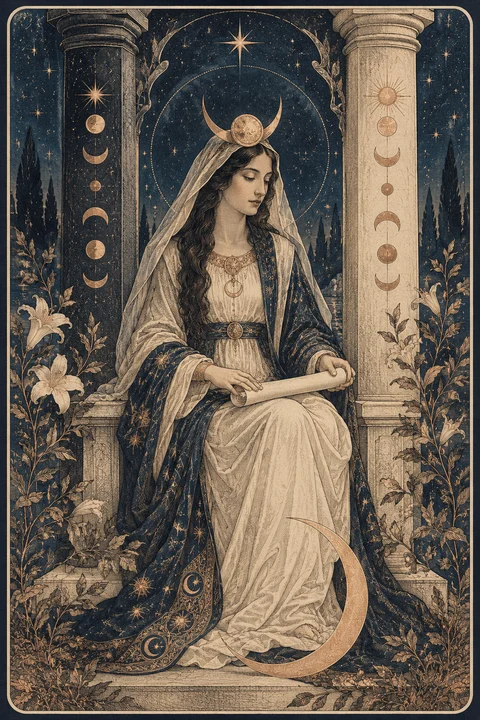
In a simple yes or no Tarot reading, The High Priestess usually leans toward a neutral pause, a soft yes for matters of intuition, or a clear message that the final answer is not yet revealed. Major Arcana card number 2 represents secret wisdom, hidden variables, and quiet inner knowing rather than an overt green or red light. When this card appears, practitioners describe it as an invitation to look beneath surface assumptions before demanding a definitive binary outcome.
The High Priestess Yes or No: Core Meaning
When consulting Tarot for quick decisions, searchers frequently ask whether the high priestess yes or no card provides an absolute answer. In traditional Rider-Waite-Smith interpretations, The High Priestess sits squarely between binary opposites. Flanked by the black pillar marked with B and the white pillar marked with J, she represents the neutral balance between darkness and light, conscious and unconscious, yes and no. Therefore, reading her as a rigid affirmation often misses the deeper psychological point she brings to the spread.
Most readers view The High Priestess as a quiet signal that important details remain hidden from view. If your situation depends on information that another person has not shared, or if external factors are still developing behind the scenes, this card indicates that the universe is not prepared to hand down an absolute decree. She functions as a cosmic veil, asking you to wait patiently until the obscured circumstances present themselves clearly.
However, context shapes every nuance in card divination. When your inquiry specifically revolves around spiritual growth, psychological self-discovery, esoteric studies, or trusting your own quiet instincts, many readers interpret her presence as an encouraging yes. In contrast, if your inquiry involves fast physical action, aggressive commercial competition, or demanding contracts, her energy warns that rushing forward without thorough introspection could lead to costly oversights.
Symbolism of The High Priestess in the Rider-Waite-Smith Deck
To appreciate why this archetypal figure refuses simplistic classifications, we should examine the rich imagery designed by Pamela Colman Smith under the guidance of Arthur Edward Waite. The High Priestess wears serene blue robes and a solar cross on her breast, holding a partially concealed scroll marked with the word TORA. This scroll represents divine law, esoteric history, and natural wisdom that cannot be parsed by casual curiosity alone.
At her feet rests an upturned crescent moon, connecting her symbolism to lunar rhythms, ocean tides, dreams, and unconscious patterns. Behind her throne hangs a fabric veil decorated with palm trees and ripe pomegranates, which classicists recognize as ancient emblems of Persephone and the fruitful subterranean mysteries. The veil separates mundane awareness from profound subconscious truths, reminding the seeker that visible appearances rarely tell the full spiritual story.
The two stone pillars, Boaz and Jachin, mirror the architecture of King Solomon's Temple, representing mercy and severity, negative and positive currents. By placing herself midway between these stone columns, she models stillness amidst active duality. This sacred placement demonstrates that the true response to your query does not lie in choosing one polarized side impulsively, but rather in sitting quietly within the space of observation.
Upright Meaning for Love, Career, and Personal Timing
In romantic inquiries, an upright appearance rarely delivers a blunt verdict. If you are asking whether a romantic partner harbors feelings for you, The High Priestess indicates that deep sentiments exist beneath the surface, but the individual is not ready to vocalize them openly. Practitioners describe this influence as an encouragement to respect personal boundaries and give the connection room to unfold without forceful interrogations.
For professional and business dilemmas, drawing this card suggests that unseen motives or office politics are exerting influence on your current workplace trajectory. If you are debating whether to sign an agreement or accept an offer immediately, her presence advises a thorough review of the terms. You may discover fine print or undisclosed circumstances that alter your perspective once you investigate thoroughly.
Timing questions with The High Priestess frequently correlate with the natural cycles of the Moon or quiet winter intervals when energy retreats inward. When seekers want to know when a specific breakthrough will occur, this archetype implies that progress is gestating quietly out of sight. Rather than forcing milestones to manifest, the card encourages you to cultivate patience and attend to your inner preparation.
The High Priestess Reversed in Yes or No Readings
When inverted in a layout, The High Priestess carries distinct implications that many readers interpret as a gentle no or a warning against self-deception. A reversal suggests that quiet intuitive impulses are being drowned out by external chatter, social pressure, or excessive logical overthinking. You may already suspect the truth of the matter in your gut, yet you continue seeking external confirmation to avoid uncomfortable reality.
A reversed orientation can also signify that secrets are beginning to leak out in unhelpful ways, such as workplace gossip, misunderstandings, or hidden agendas becoming apparent. If your query involves whether to trust someone who has previously acted evasively, an inverted High Priestess leans toward no, urging you to exercise prudent skepticism and verify claims through transparent facts rather than blind faith.
Reflecting on a reversed card invites valuable self-inquiry. Consider whether you have neglected your personal emotional wellbeing, bypassed red flags, or allowed superficial distractions to cloud your inner moral compass. Reconnecting with honest self-awareness allows you to clear the mental fog and regain the grounded clarity necessary for sound practical choices.
Why Context Changes the Card Meaning
Divination cards do not exist in isolation, and treating individual cards like rigid mechanical switches can strip a reading of its helpful wisdom. The nature of the surrounding cards provides vital texture. For instance, if The High Priestess sits alongside the Three of Swords or the Five of Cups, she suggests emotional sorrow that has been quietly suppressed and requires gentle, conscious healing before resolution can occur.
Conversely, when paired with intellectual cards like The Magician or the Ace of Swords, her presence shows that intuition and conscious reasoning can work in harmony. In such combinations, her reflective energy provides the strategic insight while the adjoining active cards supply the momentum needed to bring ideas into tangible fruition. The question must always be evaluated alongside the overarching narrative of the spread.
Your emotional state at the moment of shuffling also influences how the message resonates. If you approach the deck feeling panicked and seeking instant reassurance, pulling an ambiguous card can heighten anxiety. Acknowledging your underlying emotional state helps you recognize that The High Priestess is simply inviting you to slow down, breathe deeply, and center yourself before seeking guidance.
Better Questions to Ask Instead of Yes or No
While yes or no inquiries offer quick convenience, complex personal situations often resist simplistic binary outcomes. Tarot cards are symbolic mirrors designed to stimulate creative problem solving and honest self-reflection. When you reduce an archetype as nuanced as The High Priestess to a coin flip, you overlook the transformative wisdom she holds regarding personal intuition and personal discernment.
You can achieve much richer guidance by reframing your query into an open-ended exploration. For example, instead of asking whether a romantic reconciliation will occur, try asking what emotional dynamics you currently need to acknowledge within yourself. Instead of asking whether you should quit your job today, ask what hidden factors in your current work environment require closer inspection.
Open phrasing empowers you as an active decision maker rather than a passive observer waiting for fate. By treating the cards as thoughtful conversational partners, you gain actionable insights that support your autonomy, strengthen your inner resolve, and guide you toward constructive everyday steps.
Step-by-Step Exercise to Connect With Your Inner Knowing
To work constructively with this card during moments of uncertainty, set aside ten minutes in a quiet environment free from electronic devices. Sit comfortably with your spine erect, place The High Priestess upright before you, and take three long, deliberate breaths. Soften your gaze as you observe the cool blue hues, the balanced stone pillars, and the quiet crescent moon resting beneath her feet.
Next, hold your central dilemma in mind without demanding an instantaneous conclusion. Ask yourself: What does my deepest instinct tell me about this dilemma when I ignore fear and outside expectations? Write down any sensations, thoughts, or subtle impressions that surface in a personal journal, avoiding the urge to censor or logically organize them immediately.
Finally, review what you recorded and identify one grounded action you can take to honor your intuitive insight. Whether that involves asking clarifying questions, seeking the counsel of a professional advisor, or simply waiting a few days before signing an agreement, you transform the symbolic message of the card into practical, self-directed wisdom.
Frequently asked questions
Is The High Priestess mostly a yes or a no?
Traditionally, The High Priestess is read as a neutral card, leaning toward maybe or wait. She signifies that certain information remains concealed behind the scenes. However, if your question involves studying, meditation, spiritual pursuits, or trusting your own quiet intuition, experienced practitioners often interpret her presence as a supportive yes.
What does The High Priestess mean for love questions?
In love readings, The High Priestess points to unspoken attraction, deep emotional bonds, or hidden feelings that have not yet surfaced into open conversation. She advises respecting personal boundaries, avoiding hasty assumptions, and letting emotional connections evolve naturally rather than forcing direct confrontation or immediate commitment.
How should I interpret The High Priestess reversed in a yes or no spread?
When reversed, this card generally leans toward a no or a strong caution. It indicates that you may be overlooking clear intuitive red flags, relying on superficial gossip, or avoiding inconvenient facts. The reversal advises you to pause, examine withheld truths, and reestablish honest communication.
Can The High Priestess predict a definite future outcome?
Tarot symbolism serves as a tool for personal reflection and exploring possibilities rather than predicting unalterable destiny. The High Priestess specifically reminds seekers that future circumstances depend on developing variables and inner choices, meaning that outcomes evolve as you gain awareness and make conscious, grounded decisions.